DuckDB in Practice: Analytical Queries Without a Data Warehouse
DuckDB runs OLAP queries directly in your process, on files on your laptop, without a server. Here's how to use it and when it beats spinning up BigQuery or Redshift.
Tag
304 articles tagged #2026.
DuckDB runs OLAP queries directly in your process, on files on your laptop, without a server. Here's how to use it and when it beats spinning up BigQuery or Redshift.
Every agency project with a marketing team needs a CMS. The options have changed a lot. Here's how Sanity, Contentful, Strapi, and Payload stack up on the criteria that actually matter.
AI video tools have moved from toy to production-grade in 18 months. Here's what's real, what still fails, and how to have an honest conversation with a client about it.
A growing class of AI agent frameworks can control a browser the way a human does — clicking, typing, navigating. Here's what works in production, what breaks, and when to actually reach for these tools.
Go has real strengths for backend API work, and some persistent limitations. Here's what teams actually gain and give up when they choose it over Node.js or Python for web APIs.
Multi-cloud gets pitched as the default choice for serious companies. The reality is more nuanced — and for most teams, the complexity cost is higher than the lock-in risk it's supposed to prevent.
A spec that doesn't get signed is a spec that doesn't protect anyone. Here's how agencies structure technical specifications that move projects forward instead of stalling them.
Three leading agent orchestration frameworks, three different mental models. Here's when each one earns its place, what each costs you in complexity, and what the choice looks like when you're debugging at 2am.
AI projects introduce IP, liability, and data training questions that standard software contracts don't address. Here's the language clients send and what it actually means for an agency taking the work.
Most teams pick an analytics tool based on a free trial and then live with that choice for years. Here's an honest comparison of PostHog, Mixpanel, and Amplitude so you pick the right one before the data gets messy.
React Native's new architecture shipped as stable and has been default since RN 0.76. Here's what the Fabric renderer and JSI bridge replacement changed, what the migration looks like in practice, and where the remaining rough edges are.
Past the chatbot hype, AI is genuinely improving specific e-commerce outcomes. Here are the implementations producing measurable results, and the ones that still mostly disappoint.
Bad documentation is usually not a writing problem — it's a maintenance problem. AI tools are changing the equation by making initial doc generation cheap and doc refresh practical at scale.
Burnout among developers isn't new. But the specific pressures of 2026 — AI-driven productivity expectations, skills anxiety, and the blurring of output and identity — create a different texture of exhaustion.
Interaction to Next Paint replaced First Input Delay in 2024, and most sites still haven't caught up. INP is harder to optimize because it measures every interaction, not just the first one.
CSS Anchor Positioning lets you position one element relative to another using only CSS. No Popper.js, no JavaScript positioning logic, no layout recalculation on scroll. Here's how it works.
gRPC has been available for years but many teams default to REST without thinking through the tradeoffs. Here's how gRPC works, where it fits, and where it doesn't.
k6 is a developer-friendly load testing tool with JavaScript scripting, CI integration, and clear metrics. Here's how to write meaningful load tests, interpret the results, and catch performance regressions before they reach production.
Python 3.13 shipped an experimental mode that removes the Global Interpreter Lock. Here's what the GIL actually does, what free-threaded Python changes, and what it still doesn't fix.
Tauri 2.0 added iOS and Android support while keeping what made 1.x compelling: tiny binaries, Rust backend, and native OS webviews instead of a bundled Chromium. Here's how it works and when to use it.
HTTP caching is one of the highest-leverage performance optimizations available, and one of the most consistently misunderstood. Here is how it actually works, why stale content happens, and how to design a caching strategy that does not surprise you in production.
Project kickoffs are where agency relationships are won or lost. The wrong start leads to scope creep, missed expectations, and a client who stops responding. Here's the exact onboarding process we use.
Breaking API changes are inevitable. How you handle versioning determines whether clients trust your platform or avoid integrating with it. Here's a practical comparison of URL versioning, header versioning, and content negotiation.
Message queues and event streams solve different problems. Kafka is not always the right answer. Here's how to think through event-driven patterns and choose the right tool for your production workload.
Every SaaS team eventually faces the multi-tenancy decision. The wrong choice creates migration pain later. Here's how to think through database-per-tenant, schema-per-tenant, and row-level security based on what your product actually needs.
Running totals, rankings, moving averages, lag and lead comparisons: window functions handle the analytics queries that would otherwise require application-side loops or multiple round-trips. Here's how they work.
Drizzle ORM has become the go-to choice for TypeScript projects that want type safety without the overhead of a heavy ORM. Here's how it works, how to migrate from Prisma, and when to use it.
Building an AI feature is only half the work. Once it's in production, you need to know when it's drifting, what it's costing, and where it's failing. Here's how to instrument LLM applications properly.
Polars has hit stable 1.x and is showing up in production data pipelines everywhere. Here's an honest comparison with pandas, where Polars wins, where it doesn't, and a migration walkthrough.
Tailwind v4 moves configuration from JavaScript to CSS, drops the content array, and ships a faster engine. Here's what the breaking changes actually mean for a real project migration.
Vitest runs faster, works natively with ESM and TypeScript, and uses the same API as Jest. If you're still on Jest in a Vite-based project, here's the case for switching and exactly how to do it.
Biome is a Rust-based JavaScript toolchain that handles linting, formatting, and imports in a single binary. We've been running it in production projects since late 2025. Here's what the migration from ESLint and Prettier actually looks like.
Running containers in production without scanning them is the equivalent of shipping code without running tests. Here's how teams scan images, generate SBOMs, and add runtime protection, from the CI step to the cluster.
Code-first API development produces documentation as an afterthought. OpenAPI-first flips that: you write the spec, generate the server stubs and client SDKs, and enforce the contract at every layer. Here's how it works in practice.
Not every real-time feature needs WebSockets. Server-Sent Events handle most push scenarios with far less complexity. Here's how to choose, and what each approach looks like in actual code.
Background jobs that crash mid-execution lose all their state. Temporal solves this by making workflows durable state machines that survive process restarts, deploys, and outages. Here's what it looks like in TypeScript and Python.
Every public API needs rate limiting, but the algorithm you choose shapes the user experience and the failure modes. Here's how each approach works and when to use it.
Passkeys are no longer an experimental feature. Apple, Google, and Microsoft all support them natively. Here's what WebAuthn actually looks like in code and when passkeys make sense for your app.
Most E2E test suites break as fast as the features they cover. Here's how to write Playwright tests that hold up when the UI changes, the data changes, and the team keeps shipping.
Most technical proposals lose because they describe what will be built, not why the client should trust you to build it. Here's how to write one that actually wins.
Most teams treat their CI pipeline as a black box that occasionally fails. A few hours of optimization can cut your CI time by 40-60% and your GitHub Actions bill by a similar margin. Here's exactly how to do it.
Unit tests tell you if your code does what you wrote. They don't tell you if your AI feature does what users need. Here's how to build an evaluation pipeline that catches the failures that matter before users do.
HashiCorp moved Terraform to a Business Source License in August 2023. OpenTofu forked it under the MPL. Pulumi took a different path entirely. Two and a half years on, the dust has settled enough to make a clear-headed choice.
In March 2024, Redis Ltd. relicensed Redis under a source-available license. Within weeks, the Linux Foundation forked it as Valkey. Two years on, here's how the split played out and what it means for teams choosing an in-memory data store today.
LLM calls are slow and expensive. Caching them is the obvious move. But caching the wrong responses breaks the user experience in ways that are subtle and hard to debug. Here's a practical guide to doing it right.
Rolling back a bad API endpoint takes seconds. Rolling back a bad LLM integration is harder — the damage may already be in your logs, your users' inboxes, or your clients' feeds. Feature flags are how you ship AI features without betting everything on launch day.
AI features ship fast. Then the monthly API bill arrives. Here's a systematic approach to understanding and reducing LLM costs without breaking the product.
Most AI project failures start at the scoping stage. The client wants 'AI integration.' The agency quotes a price. Nobody defines what that actually means. Here's how to scope these projects properly.
uv is a Python package manager written in Rust that handles dependencies, virtual environments, and Python version management. We've been using it across all our projects since early 2026. Here's what actually changed.
The AI IDE tools everyone uses have a feature most developers set up once and never tune: custom rules. Here's how to write rules that change how the tool generates code, not just what it says it will do.
HTTP/3 is in production at every major CDN and supported by all modern browsers. Whether it actually helps your application depends on factors most guides don't explain.
Getting a language model to return valid, schema-conforming JSON is harder than it looks. Here's what works in production, from native structured output APIs to library-level validation.
Every AI integration budget starts with API costs and ends with surprises. Here's what production AI features actually cost once you account for everything the initial estimate missed.
ALTER TABLE locks your database. Your migration takes longer than expected. Users get errors. Here's how to handle schema changes that don't interrupt production traffic.
The choice between fixed-price and time-and-materials contracts is one of the most consequential decisions in an agency-client relationship. Each model transfers risk differently. Here's how to decide which one fits your project.
Traditional monitoring tells you a request took 800ms. It doesn't tell you the LLM spent 600ms on a bad prompt, returned a hallucinated answer, and burned $0.04 in tokens. Here's how to actually instrument AI applications with OpenTelemetry.
Prompt injection is the SQL injection of the AI era. As LLMs ship into production apps by the millions, attackers are learning how to hijack them through the data they consume. Here's what the attack looks like and how to defend against it.
Video calls, live collaboration, real-time audio — features clients want more than ever. WebRTC makes them possible, but the gap between a working demo and a production deployment is wider than the documentation suggests. Here's what that gap looks like.
The honest read on web developer demand after AI's impact, which roles are hot, which are cooling, and what the working week actually looks like across employment types.
Real revenue, profit margins, and owner take-home for solo, boutique, mid-size, and enterprise web agencies, including the messy parts most income reports skip.
Five different things people mean by 'update' (content, dependencies, performance, design, full rebuild) and how often each should actually happen.
A short, direct answer to 'how much is website development' with bracket ranges by project type, the four levers that move the price, and where to read the deeper breakdown.
When proximity actually matters, when it doesn't, and how to evaluate local agencies without falling for the 'we have an office in your city' theatre.
AI coding has moved past autocomplete. In 2026, autonomous agents read tickets, write code, run tests, fix failures, and submit PRs — all without human intervention. Here is what this actually looks like in practice and what it means for engineering teams.
AI coding tools accelerate development. They also introduce subtle, systemic problems that most teams do not notice until it is too late. Here are the 7 AI-specific mistakes we have seen across 11 client projects, and the patterns we use to prevent them.
Junior developer hiring is down 30% since 2024. AI tools now handle the grunt work that used to train entry-level engineers. But the real story is more complicated — and more important — than the headlines suggest.
How to choose a B2B website agency that can support long buying cycles, multiple stakeholders, and demand generation outcomes.
We tested every major AI coding tool on real client projects. Here is our honest breakdown of Claude Code, Cursor, GitHub Copilot, Windsurf, and more — with actual workflow recommendations for different types of developers.
How SaaS founders are using AI agents, automation hubs, and agentic workflows to run lean teams that punch above their weight. Our complete workflow with tools, costs, and real results.
Bolt.new, Lovable, Replit Agent, and v0 all promise 'prompt to production.' We built the same application on each platform and here is what actually happened — the good, the broken, and the security nightmares.
Three tools, three philosophies, three different answers to 'how should AI help me code?' We tested all three on real projects and here is the breakdown — including when to use each and when to use all three together.
A practical Denver website design agency guide covering local fit, process maturity, pricing expectations, and performance-first delivery.
A practical framework for selecting an ecommerce website development agency, with checkout UX, speed, mobile conversion, and platform trade-offs.
A practical response framework for public-sector digital teams after federal website funding restoration orders, with resilience, accessibility, and vendor continuity priorities.
AI writes 41% of the world's code. Senior engineers report 2x productivity. Junior hiring is down 30%. So what does the future actually look like for software engineers? Here is our honest assessment — informed by what we see every day building software with AI tools.
Forget the demos. Here is how our 7-person engineering team uses AI tools on real client projects every day — the prompts we write, the mistakes we catch, and the time we actually save.
Andrej Karpathy coined 'vibe coding' in 2025. By 2026 it has become the most misunderstood term in software development. Here is what it actually means, how it works, when to use it, and when it will get you fired.
A practical guide to selecting a website optimization agency and building a 30/60/90-day roadmap across Core Web Vitals, UX, analytics, and conversion.
How to choose a website development agency in the USA with clear evaluation criteria, pricing models, red flags, and ROI-focused decision checkpoints.
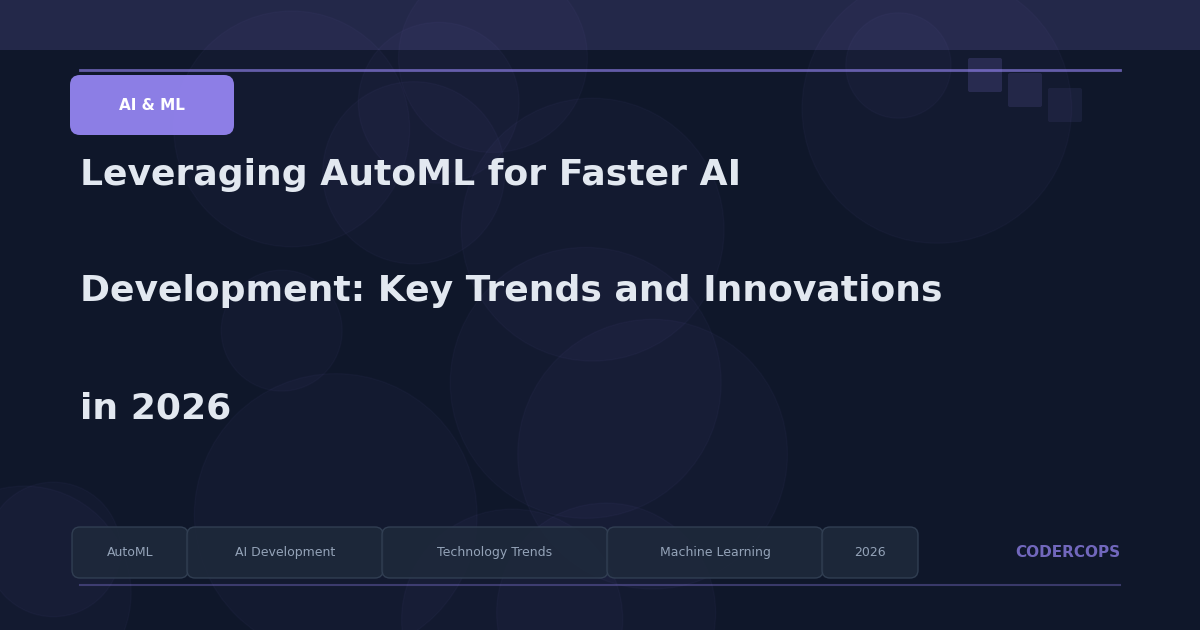
P.80Explore how AutoML is accelerating AI development in 2026 with new tools, techniques, and trends that businesses need to know.
Google's 2026 AI Agent Trends report declares this the year of the 'agent leap.' We break down what it means, compare Claude Code, Devin, Operator, and Mariner, and explore what agentic AI means for developers and businesses.
How AI is transforming threat detection, anomaly detection, and automated incident response in 2026. Real-world examples, platform comparisons, and what developers and businesses need to know.
Malicious AI skills and poisoned CLAUDE.md files are the new supply chain attack vector. We break down the ClawdHub incident, how MCP server exploits work, and what developers must do now.
Astro 6 beta ships CSP nonce support, declarative web components, improved server islands, and Vite 7. We break down the architecture decisions and tradeoffs.
We benchmarked and compared every major AI coding model -- Claude Opus 4.6, GPT-5.3 Codex, Gemini 2.5 Pro, DeepSeek V3, Qwen3-Coder, and more. Benchmarks, pricing, strengths, and which model to pick for your workflow.
An honest analysis of Claude Code's security model, prompt injection risks, sandbox escapes, and supply chain threats in agentic coding tools. Lessons every developer and tool builder should learn in 2026.
A data-driven comparison of Claude Sonnet 4.6 and Opus 4.6 covering benchmarks, pricing, speed, coding performance, and real-world use cases. We help developers choose the right Anthropic model for their needs.
Analyzing the February 2026 Cloudflare edge network outage: cascading failures, bypassed canary deployments, R2 and Workers impact. Real architecture lessons for building resilient distributed systems.
Prompt engineering is dead. Context engineering -- managing system prompts, RAG results, tool outputs, memory, and conversation history -- is the skill that matters now. Here is what changed and why.
A technical deep dive into DeepSeek V4's Engram conditional memory, Manifold-Constrained Hyper-Connections, and Sparse Attention -- the three innovations enabling million-token context at a fraction of the cost. Benchmarks, architecture diagrams, and what it means for your stack.
A step-by-step methodology for implementing Software Bill of Materials (SBOM) generation, dependency scanning, and vulnerability management in your CI/CD pipeline.
From FHIR APIs and telemedicine to AI diagnostics and remote patient monitoring, the digital health market is creating massive opportunities for software developers. Here's where to build.
How running AI models at the edge enables real-time intelligence for IoT, autonomous vehicles, and smart manufacturing. A developer guide to edge AI platforms, frameworks, and opportunities in 2026.
The EV charging software market is exploding. Learn how developers can build with OCPP, fleet management APIs, payment integration, and smart grid optimization in this booming $100B+ infrastructure sector.
February 2026 saw an unprecedented wave of AI model releases from OpenAI, Anthropic, Google, and others. We break down GPT-5.3 Codex, Claude Opus and Sonnet 4.6, Gemini 3.1 Pro, DeepSeek V4, and every major launch -- with benchmarks, pricing, and practical guidance.
P.96EditorPickA deep dive into Apple Intelligence improvements from iPhone 16 to iPhone 17. We compare the A19 Neural Engine, Foundation Models framework, Visual Intelligence upgrades, and what iOS developers should build for next.
Gartner projects the low-code market will reach $44.5 billion in 2026, with 75% of new apps built on low-code platforms. We analyze where these tools excel, where they fail, and what developers should actually do about it.
How we built production multi-agent systems using Claude Agent SDK and Model Context Protocol. Covers orchestrator-worker patterns, handoff strategies, error handling, and real-world architecture decisions.
P.99Nearly 200 developers urged Oracle to rethink MySQL's future. We break down the open letter, the governance crisis, the rise of PostgreSQL and alternatives, and what developers should do next.
Learn how to migrate to Next.js 16 with Turbopack as the default bundler, React Compiler integration, and cache components. Step-by-step guide with code examples.
A comprehensive security briefing covering February 2026's most critical vulnerabilities including OpenSSL RCE, Foxit PDF Reader zero-days, Chrome V8 exploits, and Linux kernel privilege escalation.
Perplexity launches Model Council, a multi-AI consensus feature that queries GPT, Claude, and Gemini simultaneously and synthesizes one verified answer. Here is how it works and why it matters.
Data-driven analysis of platform engineering adoption in 2026. Compare Backstage, Port, and Cortex IDPs, golden paths, self-service infrastructure, and how to measure platform success with DORA metrics.
A systematic comparison of modern RAG approaches in 2026: ColBERT, SPLADE, hybrid search, contextual retrieval, and late interaction models. Benchmarks, architecture tradeoffs, and when RAG beats fine-tuning.
A hands-on guide to running Llama 4, Qwen3, Phi-4, and Mistral on consumer GPUs like the RTX 4090 and 5090. Covers quantization formats, inference engines, VRAM needs, and when local beats API calls.
Rust 1.94 makes LLD the default linker, Linux kernel modules mature in Rust, and Edition 2024 migration accelerates. A technical breakdown of Rust's 2026 trajectory.
A practical guide to deploying Small Language Models (SLMs) like Phi-4, Qwen2.5, Gemma 3, and Llama 3.2 in production. Benchmarks, quantization, edge deployment patterns, and when SLMs beat large models.
India's major ISPs began DNS-poisoning *.supabase.co domains on Feb 24, 2026, breaking auth, databases, and Edge Functions for millions of developers — including our own infrastructure at CODERCOPS.
Svelte 5.49 runes and SvelteKit remote functions transform server-client communication. A practical guide with migration stories, code examples, and React comparisons.
P.110Models that think before they answer are reshaping AI engineering. We break down how extended thinking, reasoning budgets, and chain-of-thought inference work across Claude, OpenAI o3, Gemini, and DeepSeek-R1 — and when you should actually use them.
TypeScript 6 beta rewrites the compiler in Go, delivering 10x faster builds. We analyze benchmarks, ecosystem impact, editor support, and the migration path from TS 5.8.
P.112EditorPickAndrej Karpathy coined 'vibe coding' a year ago. Now 92% of US developers use AI tools daily and 41% of code is AI-generated. We break down the tools, the real results, the security risks, and what this means for professional developers.
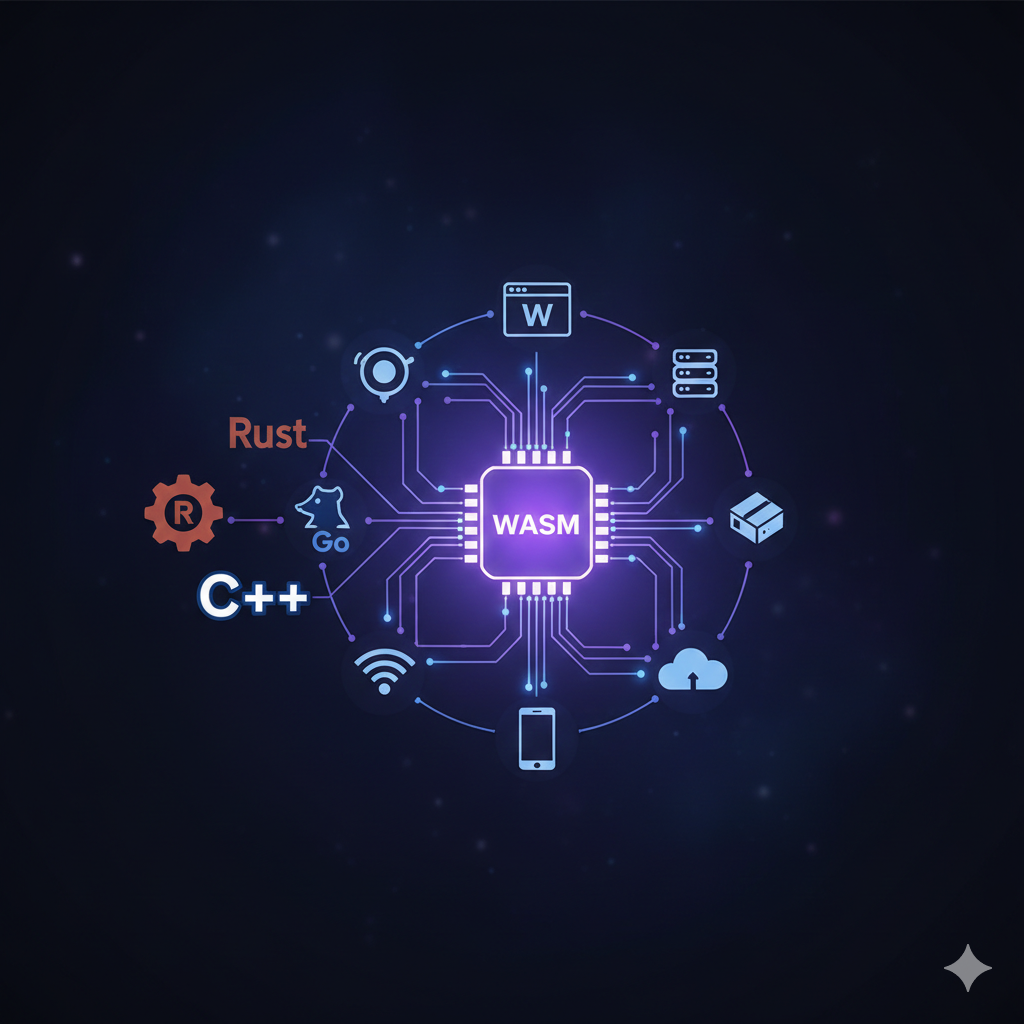
WASI 0.3 introduces native async I/O, stream types, and full socket support to WebAssembly. We analyze the Component Model changes, language support, and why this release finally makes Wasm viable for production server workloads.
Learn how to deploy WebAssembly applications on Kubernetes using SpinKube and containerd-wasm-shim. Step-by-step tutorial covering cluster setup, Spin app deployment, monitoring, and production readiness.
Everyone said WebAssembly would kill Docker. Two years later, they coexist — and the teams using both are shipping faster. A reality check on Wasm, containers, and the containerd shim approach.
Zig 0.16 drops with async rewrite, improved comptime, and growing production adoption at Bun, TigerBeetle, and Uber. Why C developers should stop ignoring this language in 2026.
The timezone juggling, the cultural code-switching, the payment friction, and the surprising advantages. An honest founder's perspective on building an India-based agency serving US, UK, and Australian clients.
Every agency claims to 'use AI' now. But there's a fundamental difference between bolting AI onto existing workflows and building an agency around AI from the ground up. Here's why we made that choice and what it actually means.
Async Django is production-ready in 2026, but landmines still exist. Four real projects, benchmarks, and a framework for deciding when async actually helps.
The network latency between your Django app and your FastAPI ML service is probably longer than inference itself. Here is how to serve models from Django directly.
We migrated three production projects from Celery to Django's new Tasks framework. Two went smoothly. One was a disaster. Here is everything we learned.
We rebuilt a React SPA as a Django + HTMX app. 847KB of JavaScript became 48KB. Here is every pattern, rough edge, and performance win from the migration.
Most DRF vs FastAPI comparisons are written by people who only use one. We ship both in production. Here is what actually matters and when to choose each.
Building a modern food delivery platform with real-time order tracking, smart cart systems, and mobile-first design using Next.js, FastAPI, and MongoDB. Here is what we learned about performance at scale.
Gartner predicted AI agents would enter the trough of disillusionment in 2026. They were right. After a year of failed deployments, runaway costs, and overpromised demos, the market is finally getting serious about what agents can actually do.
We have been using AI tools at CODERCOPS for over two years now. The shift from 'helpful autocomplete' to 'genuine collaborator' happened gradually, then all at once. Here is what changed, what surprised us, and what we got wrong.
AI-generated phishing, deepfake CEO fraud, automated vulnerability exploitation — the attacks got smarter. But so did the defenses. We break down both sides of the AI cybersecurity arms race and what developers should actually do about it.
Everyone says go cloud-native. But what does that actually mean in 2026? We break down microservices, serverless, and containers — and why most teams should start simpler than they think.
Not everything needs the cloud. Edge AI is putting real intelligence on devices, sensors, and cameras — with millisecond latency and zero internet dependency. Here is where the technology actually stands.
Micro-frontends have matured past the hype phase. We break down Module Federation 2.0, composition patterns, and the real-world scenarios where splitting your frontend actually pays off.
Strip away the crypto speculation and NFT mania. What is left of Web3 in 2026? Turns out, quite a lot — supply chain tracking, digital identity, smart contracts, and decentralized storage are quietly solving real problems.
Zero Trust is the most overused term in cybersecurity. But the architecture behind it is real, and after high-profile breaches in 2025-2026, everyone is finally taking it seriously. Here is what implementation actually looks like.
A deep dive into how we built codercops.com with Astro 5 SSR, Supabase as a CMS, Git-based content, and Edge Functions. Architecture decisions and lessons learned.
Step-by-step tutorial to build a live-updating analytics dashboard using Supabase Realtime subscriptions, Astro SSR, and D3.js charts. Full code included.
Most AI agents fail in production. Here are the architecture patterns, error handling strategies, and guardrails we use to build agents that actually ship.
How we built a Git-to-Supabase content pipeline with SHA-256 delta sync, Edge Functions, and GitHub Actions. Full architecture and code walkthrough.
After 90 days of using Claude Code across our entire engineering team, here is what actually changed — the good, the bad, and the productivity numbers.
Claude Sonnet 4.6 matches Opus performance at Sonnet pricing. Full breakdown of benchmarks, features, adaptive thinking, and what it means for developers.
A step-by-step guide to deploying a production-ready AI chatbot with streaming responses, conversation memory, and rate limiting using Claude API and Vercel.
Developer tool UIs have converged into a boring monoculture. Here is why it happened, the anti-patterns killing your UX, and how to design dashboards developers actually love.
SOC 2 is not as scary as it sounds. Here is what engineering teams actually need to implement, the tools that automate 80% of it, and what to skip.
We benchmarked Supabase Edge Functions, Vercel Serverless, and Fly.io containers head-to-head. Here are the real cold start times, throughput, and costs.
Stop guessing which AI approach to use. This decision framework with real cost, latency, and accuracy comparisons helps you pick the right one every time.
The real story of going from solo freelancer to running a tech agency. Revenue, hiring mistakes, client nightmares, and the systems that finally made it work.
Galgotias University was removed from the India AI Impact Summit 2026 after presenting a Chinese-made Unitree Go2 robot dog as their own creation 'Orion.' The full story, the second drone scandal, and what this says about Indian tech education.
Trunk-based, Git Flow, GitHub Flow — we have tried them all. Here is the simple Git workflow that works for teams under 10 and the mistakes to avoid.
Google Summer of Code 2026 accepted 185 organizations. Here is everything you need to know — eligibility, timeline, stipends up to $6,600, how to write a winning proposal, and the mistakes that get you rejected.
n8n just raised $180M at a $2.5B valuation. But behind the hype, real problems are emerging — security vulnerabilities, AI agent limitations, fair-code licensing, and a 58x revenue multiple that makes no sense. Here is the full picture.
How we built a Web3 platform for creators to register, protect, and monetize intellectual property using Ethereum smart contracts, IPFS storage, and AI-powered content tools. 12,500+ IP assets registered.
We have built production apps with all three. Here is an honest comparison of Next.js 15, Astro 5, and Remix covering performance, DX, and when to use each.
Our curated list of npm packages that make it into every CODERCOPS project. Each one battle-tested across 30+ production apps with alternatives we considered.
Naive RAG is broken. Here is how contextual retrieval, hybrid search, and intelligent chunking are reshaping how we build AI applications in 2026.
Server components have gone from React experiment to cross-framework standard. Here is how they work in React, Vue, Astro, and Svelte — and what changes for your apps.
CSS has changed more in the last 2 years than the previous 10. Here is what is production-ready, what to adopt now, and what you can stop using.
These 5 VS Code extensions eliminated 3 separate tools from my workflow. Each one with setup tips, settings tweaks, and why it beats the alternatives.
We automated visual regression testing, test generation, and bug triage with AI. Here are the real results after 6 months — including what still needs humans.
WebAssembly is not just for browser apps anymore. From edge computing to plugin systems, here are 5 production use cases reshaping how we build software.
How we built an AI-powered interface that lets non-technical users query any database using plain English, eliminating SQL expertise requirements and democratizing data access.
Full enforcement of the EU AI Act begins August 2, 2026, with fines up to 35 million euros. Most development teams are not ready. This is the practical compliance guide they need.
From concept to launch: building a 24/7 anonymous mental wellness platform with AI-powered listener matching, real-time encrypted chat, and affordable therapy access using Next.js, Django, and Azure.
Vue 3.6 introduces Vapor Mode, compiling templates directly to DOM operations and skipping the virtual DOM entirely. We break down the benchmarks, the tradeoffs, and what this means for the vdom debate.
Angular 21 ships with signals-based reactivity, zoneless change detection, and a dramatically simplified developer experience. After years of decline, enterprise teams are reconsidering. Here is what changed.
AWS and Google Cloud announced cross-cloud interconnect integration with encrypted-by-default networking. After years of vendor lock-in wars, competitors are collaborating. We break down what it means and what it does not.
The low-code market will hit $264B by 2032, but that does not mean every app should be built on Bubble or Retool. Here is a framework for knowing when low-code saves you money and when it costs you everything.
NIST finalized post-quantum standards in 2024. Harvest-now-decrypt-later attacks are already happening. If your migration plan starts with 'we will deal with it when quantum computers arrive,' you are already behind.
Data centers consume 2-3% of global electricity and that number is climbing fast. Green software engineering is no longer a nice-to-have -- it is becoming a regulatory and commercial requirement.
From Google's voluntary exit program to widespread automation, here's a data-driven look at how AI is reshaping the job market in 2026 and what workers can do.
93% of executives say AI sovereignty is mission-critical in 2026. Learn what AI sovereignty means, why it matters, and how to build a sovereign AI strategy.
NASA's Artemis II is sending astronauts around the Moon in February 2026 — the first crewed lunar mission since Apollo 17. Here's everything you need to know.
Self-driving cars are going global in 2026. Waymo expands to London & NYC while Chinese competitors enter Dubai & Singapore. Here's the full rollout tracker.
Budget 2026 launches Bharat-VISTAAR, a multilingual AI platform for Indian farmers. Here's how it works and why agritech startups should pay attention.
Budget 2026 launches Biopharma SHAKTI with Rs 10,000 Cr outlay for biopharmaceutical innovation. Here's what it covers and who can benefit.
2026 brings breakthroughs in CAR-T therapy, personalized cancer vaccines & regulatory T cell therapy. Here's what's changing in cancer treatment this year.
India spends just 2.1% of GDP on healthcare while its digital health market surges. Explore how telemedicine and AI diagnostics are transforming rural health access.
Supply chain attacks have surged 742% since 2019. SBOMs are now legally mandated for federal software and EU market access. Here is how to implement them without slowing down your CI/CD pipeline.
India's AI market hits $17B by 2027 but lacks comprehensive data privacy laws. Explore the ethical AI challenges India faces and frameworks for responsible innovation.
ISRO's Gaganyaan orbital spacecraft will conduct an uncrewed test in 2026 — a milestone for India's space program. Here's the complete mission guide.
Google's CBO Philipp Schindler offers voluntary exit packages to employees not embracing AI. Here's what this means for tech workers and the industry in 2026.
India AI Impact Buildathon 2026 is the country's biggest AI challenge. Here's how to participate, what to expect, and why this signals India's AI ambition.
India's AI market is projected to reach $17B by 2027 with 45% YoY growth. Explore the sector-by-sector breakdown of AI adoption in banking, healthcare & education.
Microsoft ($17.5B), Amazon ($35B) & Google ($15B) are investing $67.5B in India's data centres. Here's what this AI infrastructure race means for India's tech future.
India's $125B renewable energy market is booming with solar farming, waste solutions & green finance. Explore the clean energy innovations driving India's net-zero goal.
India Semiconductor Mission 2.0 increases ECMS outlay to Rs 40,000 Cr. Here's what changed from 1.0 to 2.0 and the investment opportunities it creates.
Discover 9 emerging Indian AI startups from Bengaluru, Gurugram & Kerala that are driving AI innovation in 2026. From agentic AI to content creation tools.
Lenskart shares worth Rs 30,000 crore are being unlocked post lock-in period. With analyst targets of Rs 500-535, here's what investors need to know.
NASA's Nancy Grace Roman Space Telescope launches in autumn 2026 with 100x Hubble's field of view. Discover what this next-gen observatory will reveal about the universe.
AI data centres are consuming massive energy, reigniting the nuclear power debate. Explore how nuclear energy could power the AI revolution in 2026.
Physical AI enables robots, drones & smart equipment to operate autonomously. See how Amazon, BMW & others are deploying embodied AI in 2026.
Budget 2026 introduces SHE-Mark certification and SHE Marts for women-led businesses. Here's what it means and how women entrepreneurs can benefit.
Budget 2026 brings Rs 10,000 Cr SME fund, Semiconductor Mission 2.0, Biopharma SHAKTI & more for startups. Complete founder's guide to every announcement.
UPI transactions exceed 14 billion monthly. Digital lending to hit $350B by 2030. Explore India's fintech revolution with key stats and trends for 2026.
6G technology promises faster speeds, ultra-low latency & AI-integrated networks. Learn what 6G is, when it's coming, and how it differs from 5G.
The European Commission's Digital Omnibus proposal rewrites key GDPR provisions for the first time in eight years. We break down every change that matters for development teams shipping products in the EU.
GitOps adoption hit 64% in 2025, and the next evolution is integrating real-time cost visibility into every infrastructure pull request. We break down why GitOps plus FinOps is the operational model serious teams are adopting in 2026.
NASA's Perseverance rover completed the first AI-planned drive on Mars using Anthropic's Claude. Here's the technical breakdown of how vision-language models are transforming space exploration.
Tech layoffs continue in 2026 while companies report severe talent shortages. We analyze the data behind this paradox, AI's role in reshaping developer demand, and which skills are actually in demand.
Anders Hejlsberg announced the Go-based TypeScript compiler in March 2025. With TypeScript 7.0 on track for mid-2026, early benchmarks show 10x faster type-checking. We unpack what this means for your projects.
With 38 states passing AI legislation and a federal executive order pushing for preemption, AI developers face a fragmented regulatory landscape. Here's your comprehensive guide to compliance in 2026.
Microsoft, Google, Amazon, and Meta are collectively spending $650 billion on AI infrastructure in 2026. We break down what each company is building, why the numbers keep climbing, and what it means for developers.
The 2025 Stack Overflow Developer Survey reveals a paradox: AI tool adoption has hit 84%, but developer trust in AI accuracy has plummeted. We analyze the findings, the tools developers actually use, and what the trust gap means.
Vite started as a dev server experiment by Evan You. In 2026, it is the default build tool for nearly every major framework. We trace how it won, what the modern JS toolchain looks like, and where Webpack fits now.
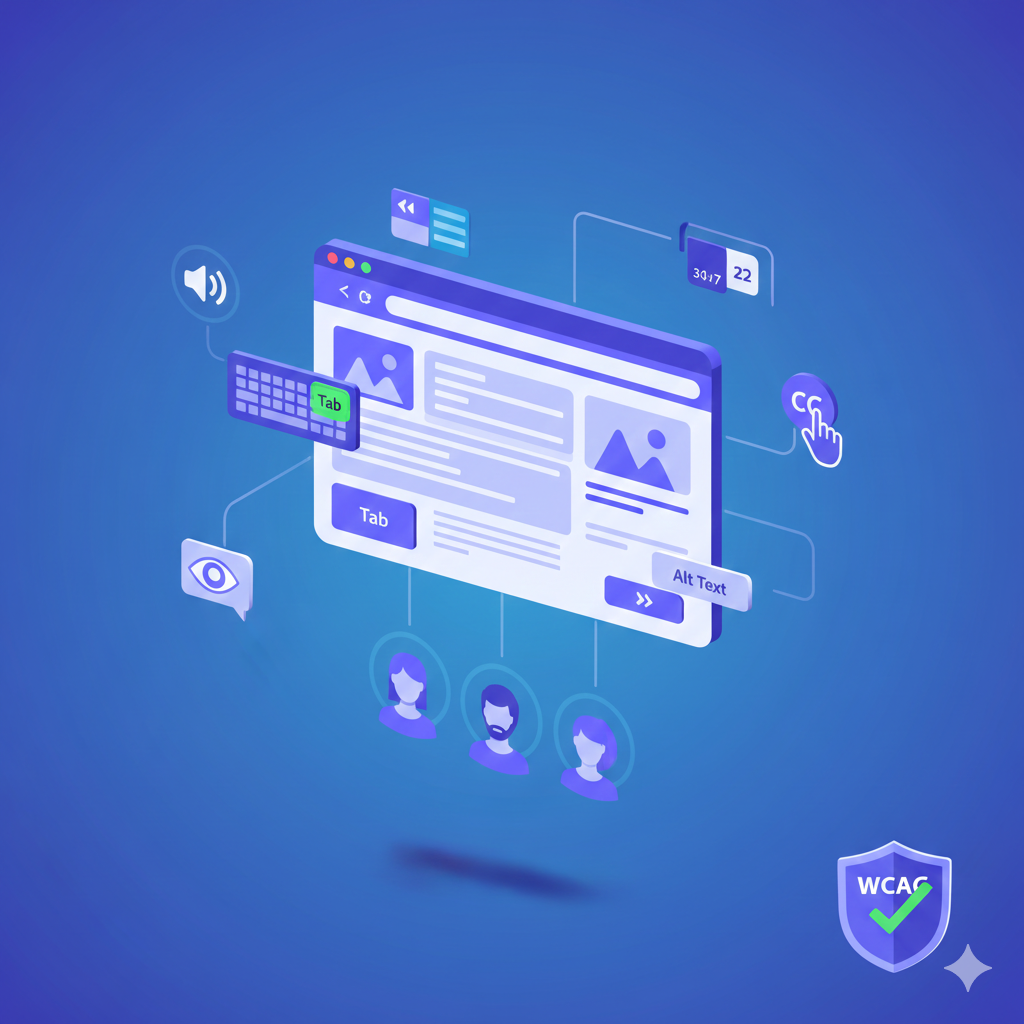
P.202Web accessibility is legally required and ethically essential. Here's a practical guide to building accessible applications with WCAG 2.2 compliance.
Alphabet announced $175-185 billion in 2026 capital expenditure, nearly double 2025 spending. Stock dropped 5% as investors question Big Tech's AI spending sustainability, despite Google Cloud revenue spiking 48%.
Amazon reported quarterly revenue beating estimates but stock dropped 10% after-hours as investors digest the company's $200 billion capital expenditure plan for 2026, driven by aggressive AI infrastructure investment.
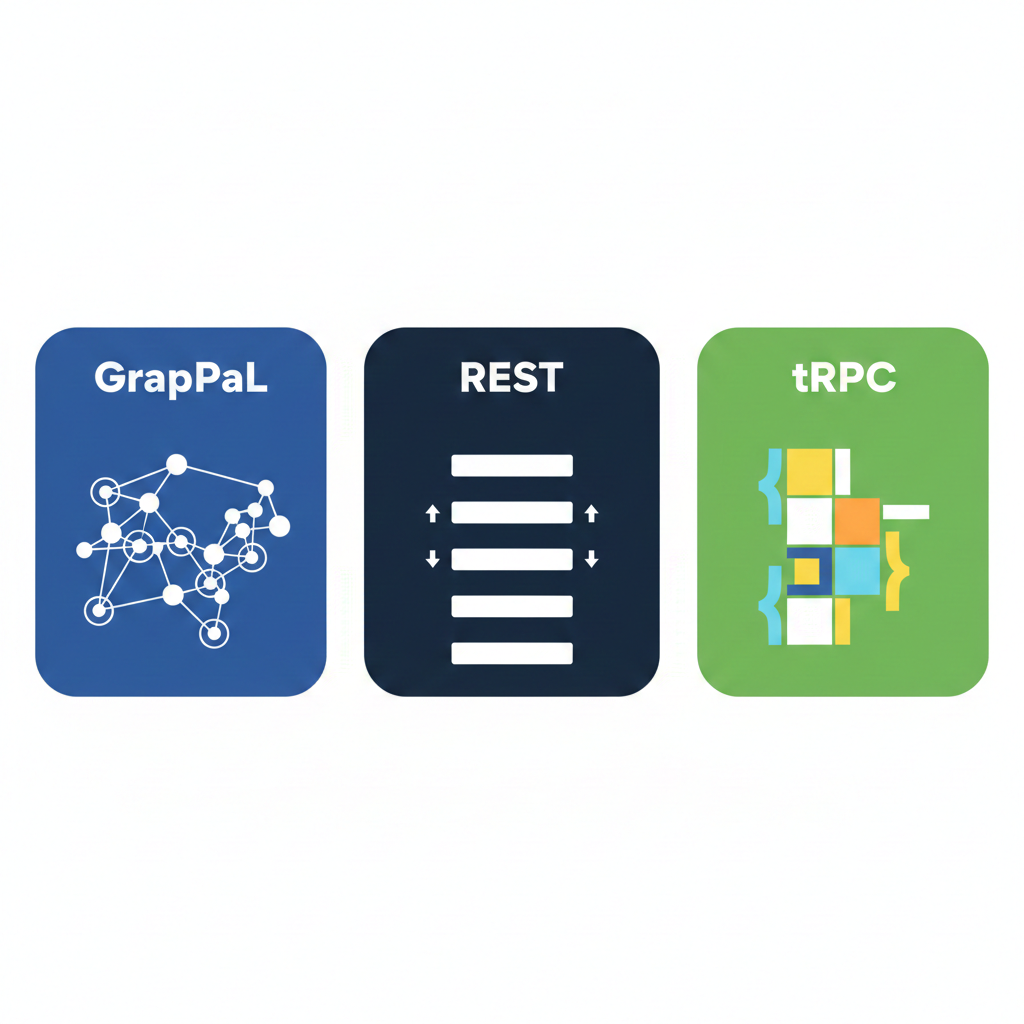
P.205The API landscape has matured beyond the GraphQL vs REST debate. Here's how to choose between REST, GraphQL, tRPC, and gRPC based on your actual requirements.
Alphabet, Amazon, and Meta collectively announced over $600 billion in 2026 AI capital expenditure. Stocks dropped across the board as investors question whether returns will ever justify the spending.
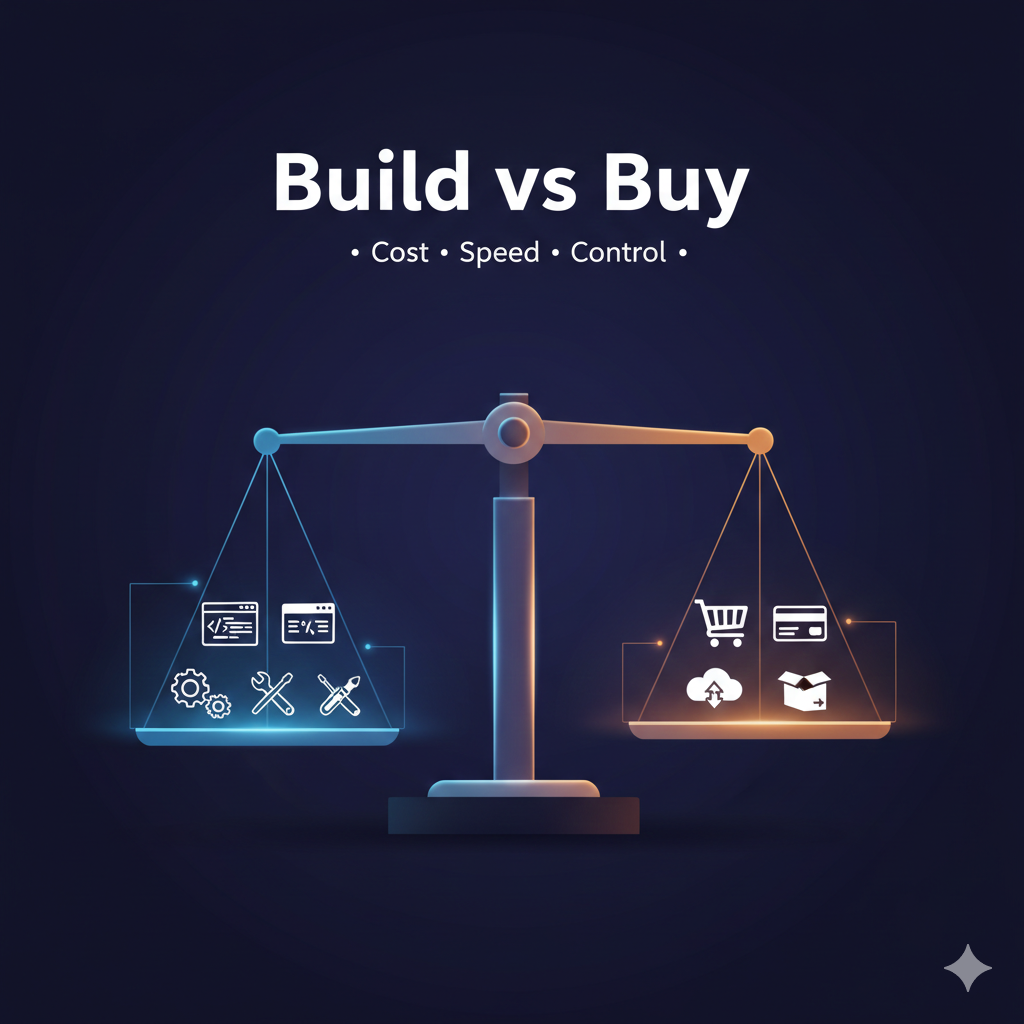
P.207Every engineering team faces build vs buy decisions constantly. Here's a practical framework for making these decisions without analysis paralysis.
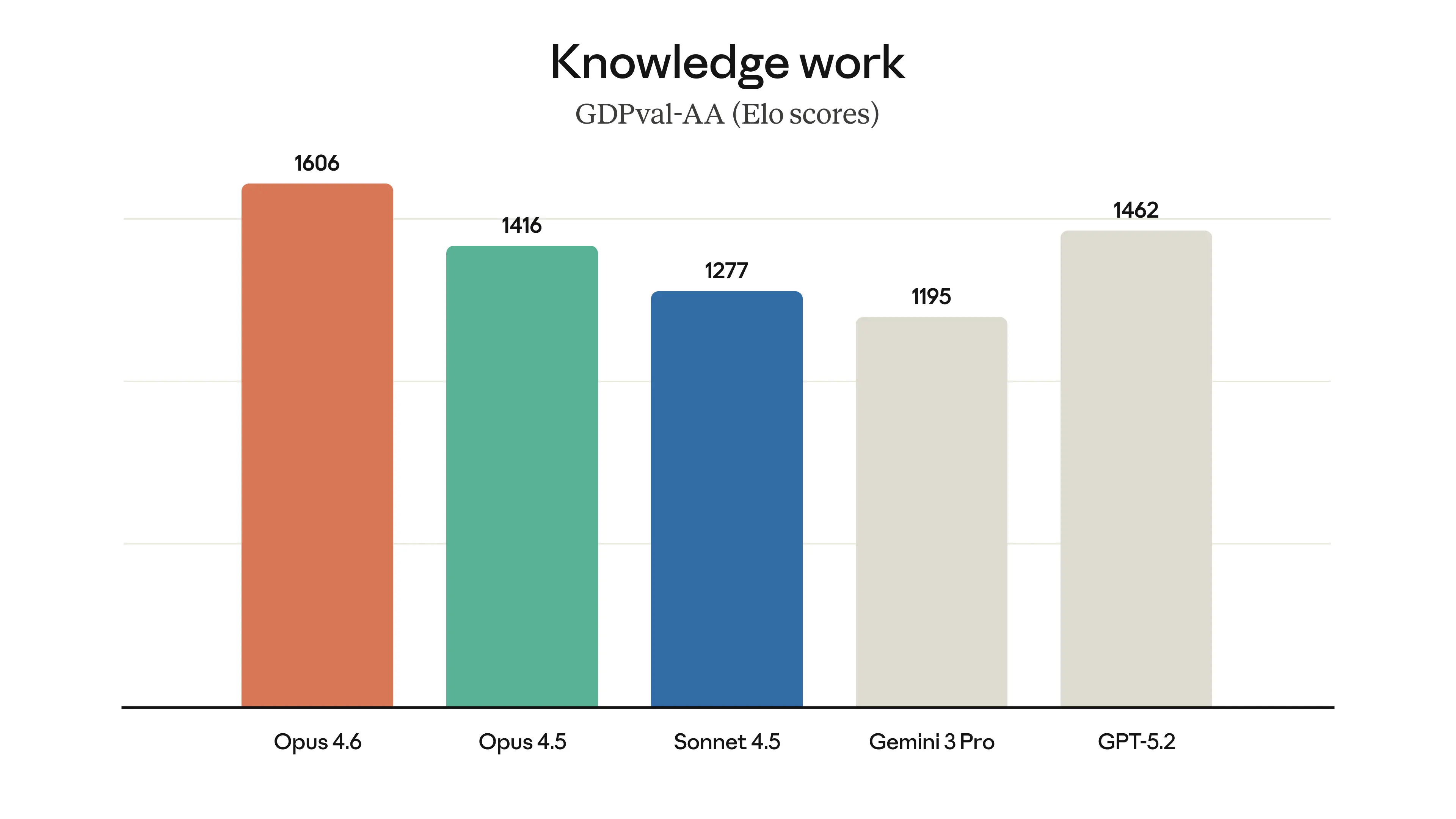
P.208EditorPickAnthropic just dropped Claude Opus 4.6 with game-changing features: agent teams that work in parallel, a 1 million token context window, and benchmarks that put OpenAI on notice. Here's everything you need to know.
Cloudflare has acquired The Astro Technology Company, bringing the popular open-source web framework under its umbrella. We analyze the acquisition, its impact on Astro developers, and Cloudflare's broader web platform strategy.
A comprehensive head-to-head comparison of Cursor, Windsurf (Codeium), and GitHub Copilot Workspace in 2026. We compare agentic capabilities, pricing, codebase understanding, and real-world performance.
Dark mode is expected by users, but implementing it correctly involves more than swapping colors. Here's how to build a robust, accessible dark mode that users will love.
P.212The database landscape is consolidating around Postgres while SQLite finds new life at the edge. Meanwhile, vector databases have become essential infrastructure for AI applications.
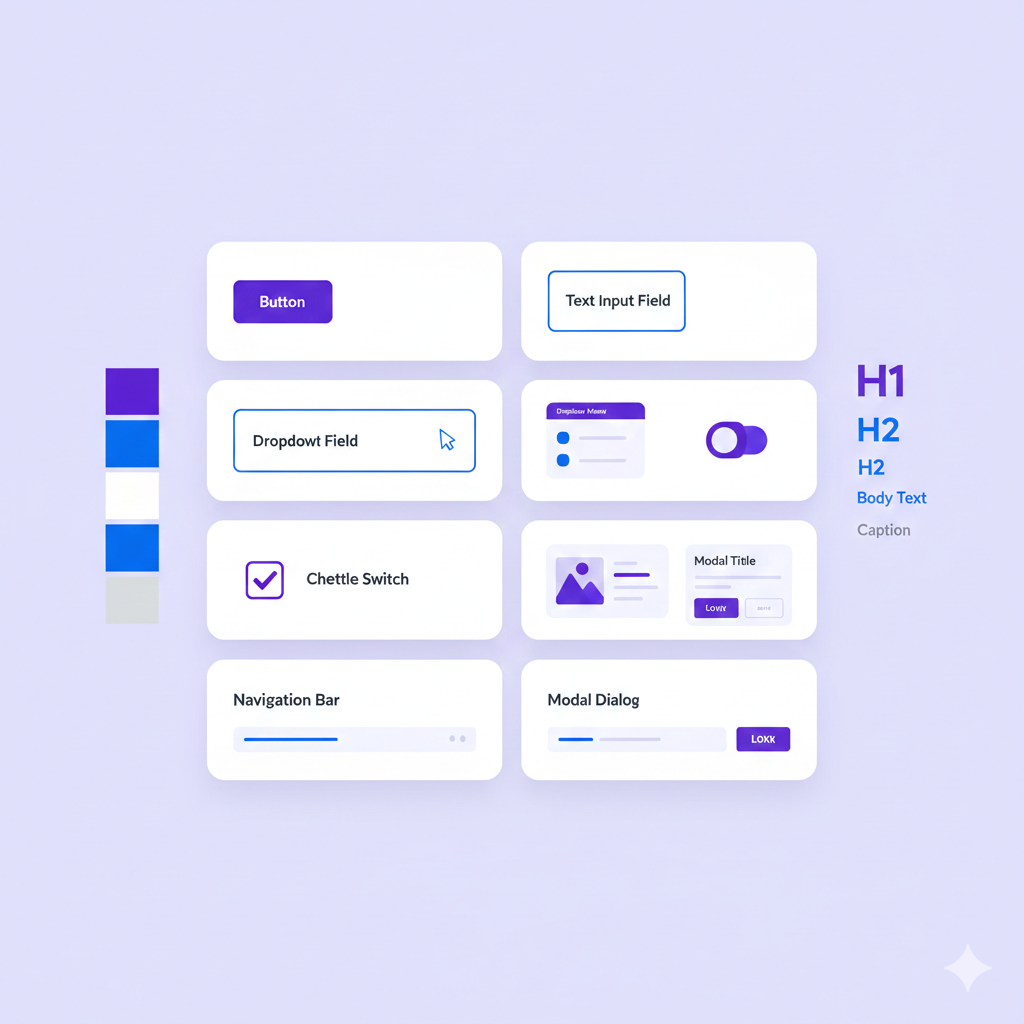
P.213Design systems have matured from experimental to essential. Here's how to build, maintain, and scale a design system that actually gets used.
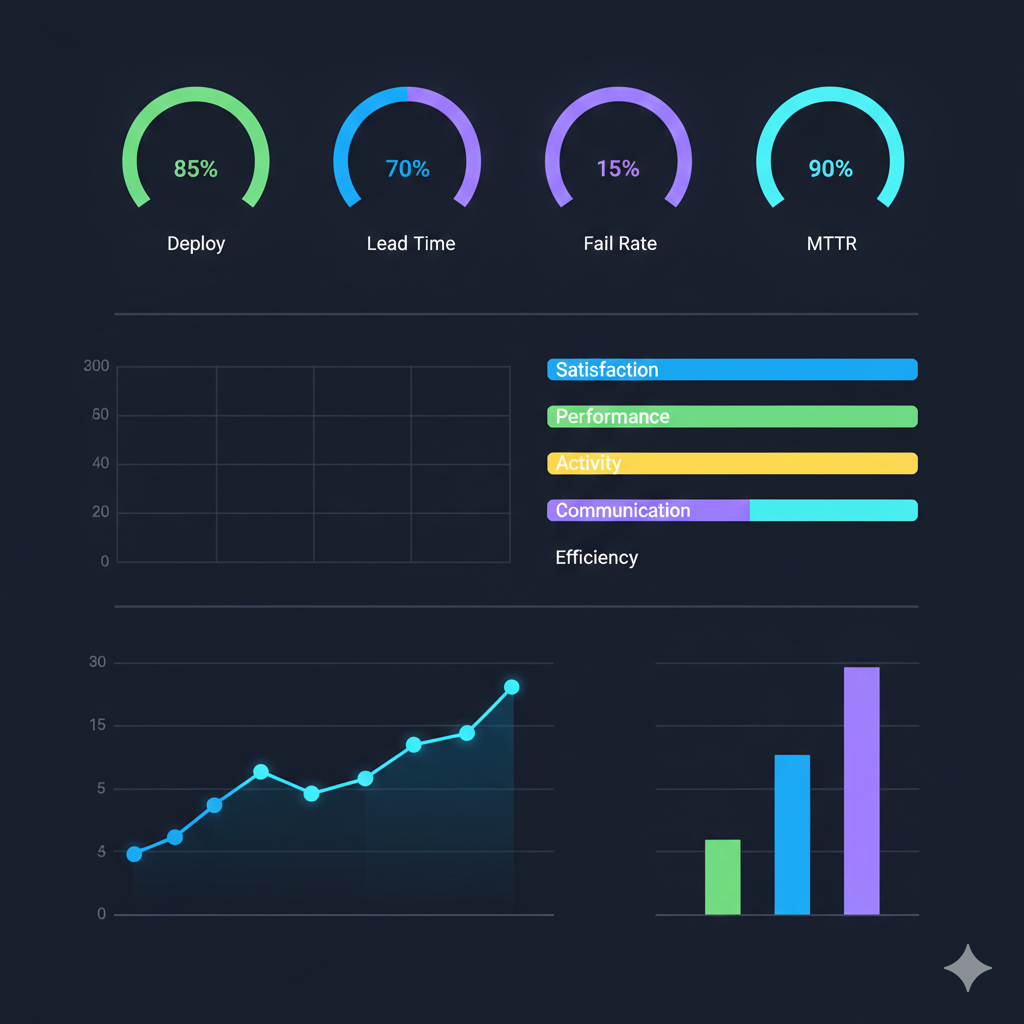
P.214Measuring developer productivity is notoriously difficult. DORA and SPACE frameworks offer research-backed approaches, but implementation is where most teams fail.
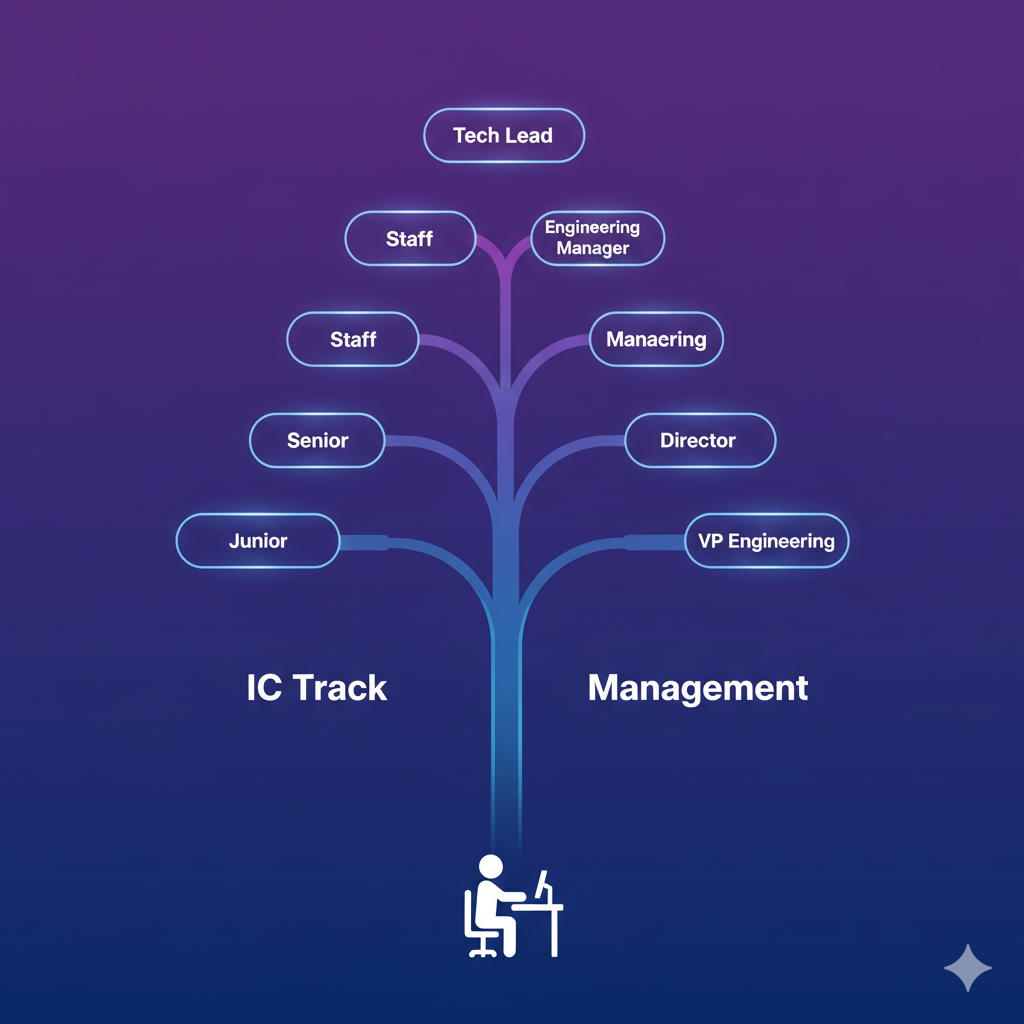
P.215The traditional developer career ladder is fragmenting. IC tracks, management, staff-plus roles, and hybrid paths offer different ways to grow. Here's how to navigate them.
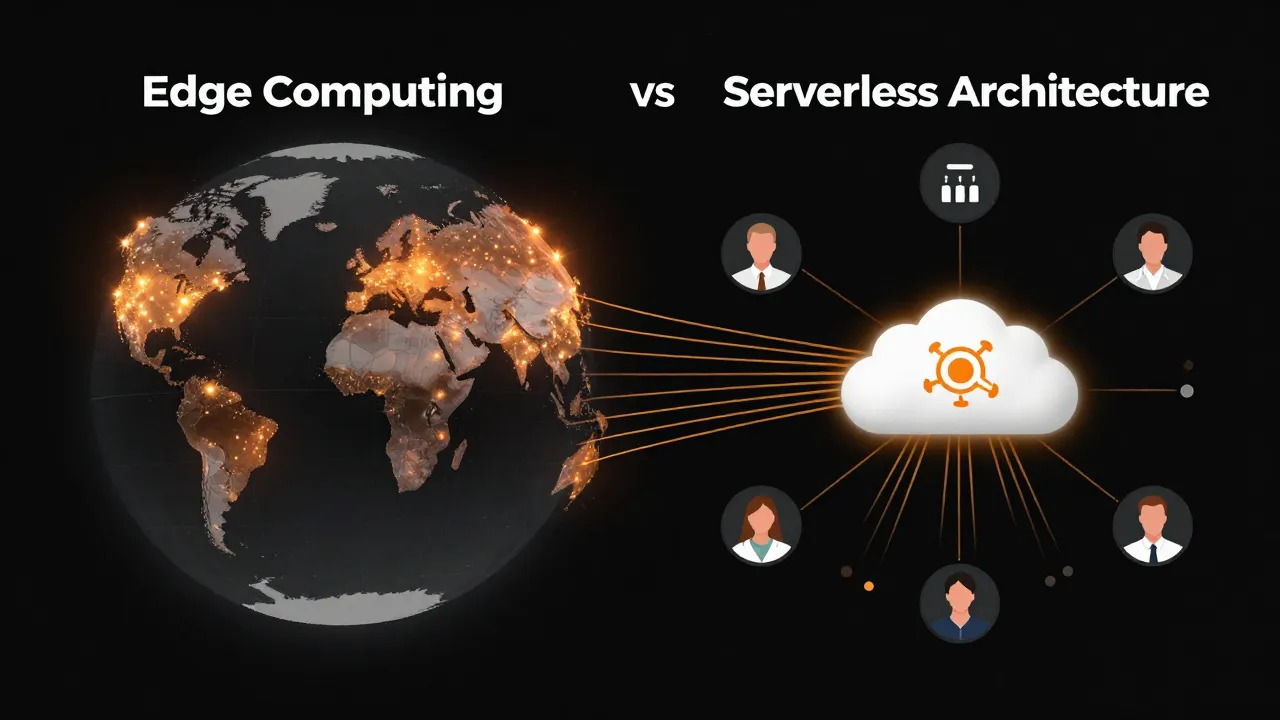
P.216Cloudflare Workers, Vercel Edge Functions, and Deno Deploy compete with AWS Lambda and traditional serverless. Here's how to choose the right compute model for your workload.
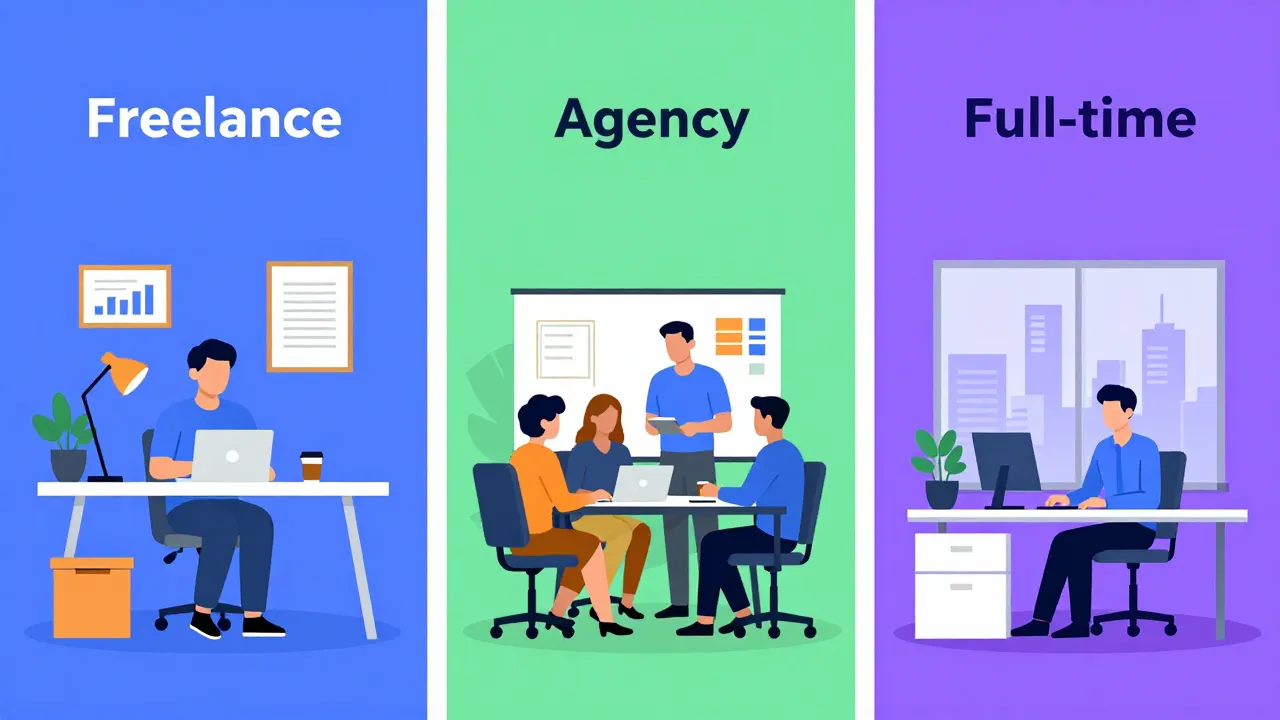
P.217The developer employment landscape offers more options than ever. Here's an honest comparison of freelancing, agency work, and full-time employment to help you decide.
Google's Gemini app has crossed 750 million monthly active users, approaching ChatGPT scale. Combined with the Apple Siri deal, Google is positioning Gemini as the default AI layer for billions of devices.
Microsoft CEO Satya Nadella appointed Charlie Bell as the company's first engineering quality chief, citing the rising cost of reliability failures as AI becomes embedded in critical workflows.
Mobile-first design has evolved. It's no longer just about responsive layouts — it's about designing experiences that adapt to device capabilities, context, and user preferences.
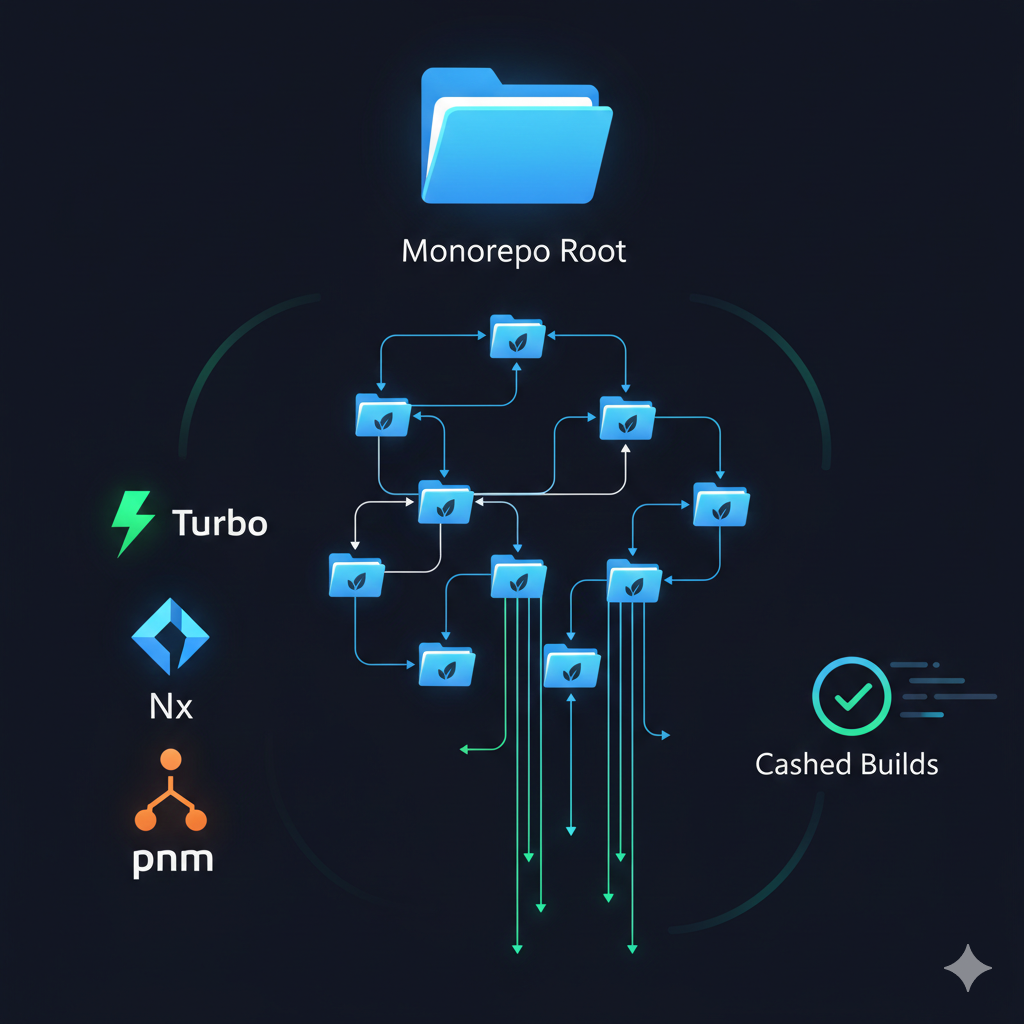
P.221Monorepos are mainstream, but choosing between Turborepo, Nx, and pnpm workspaces is confusing. Here's a practical guide to picking the right tool for your team.
Okta warns of a critical 'authorization gap' where AI agents retrieve data with elevated permissions but post to shared spaces where anyone can see. Four major vendors already hit with CVSS 9.3+ vulnerabilities.
Open source powers the modern internet, but maintainer burnout and funding challenges threaten its future. Here's the state of open source sustainability and emerging solutions.
Remix 3 drops React for a Preact fork and web-standards-first architecture. Here's why this matters, what it means for React developers, and whether the post-React era is truly upon us.
P.225Remote work is permanent. Here's how to hire, onboard, and manage distributed engineering teams across time zones, cultures, and employment structures.
Choosing a tech stack is one of the earliest and most consequential decisions for a startup. Here's a practical guide to making choices you won't regret.
Tech interviews are evolving. Take-home projects, AI-assisted coding, and system design are reshaping how companies evaluate developers. Here's what to expect.
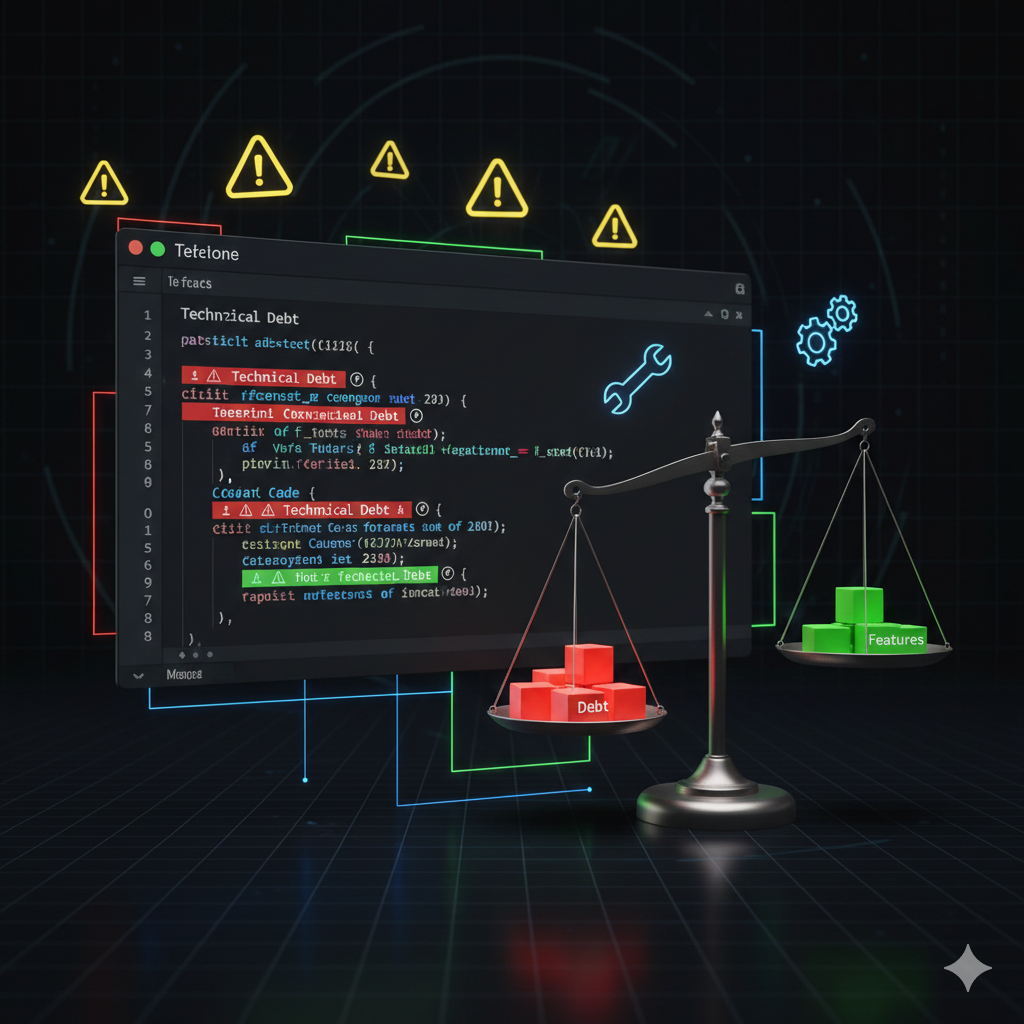
P.228Every codebase has technical debt. The question is whether you manage it intentionally or let it manage you. Here's how to identify, prioritize, and pay down debt systematically.
P.229WebAssembly is no longer just a browser technology. Server-side WASM, the component model, and WASI are reshaping how we build and deploy software across cloud, edge, and embedded systems.
Anthropic spent millions on Super Bowl commercials pledging Claude will remain ad-free forever, taking direct aim at OpenAI's ad-supported ChatGPT model. A business model war is brewing.
Apple confirmed its acquisition of Israeli AI audio startup Q.ai for nearly $2 billion. The deal brings advanced audio AI technology that could transform Siri, AirPods, and Apple's entire audio ecosystem.
Apple and Google announced a multi-year deal to power next-gen Siri with Gemini AI. iOS 26.4 beta in February brings conversational Siri, with full release in March. The AI assistant wars just got complicated.
Astro 6 Beta brings a redesigned dev server, first-class Cloudflare Workers support, live content collections, and major performance improvements. Here's what developers need to know about migrating from Astro 5.
A massive AT&T dataset containing 176 million records has resurfaced on dark web forums. The breach includes 148 million Social Security numbers, names, addresses, and phone numbers spanning years of customer data.
Anthropic launches domain-specific plugins for Claude Cowork with MCP integrations for Slack, Figma, Salesforce, and more. AI agents now work like specialized teammates across business functions.
Anthropic releases Claude Sonnet 5 codenamed Fennec with 82.1% SWE-Bench score, surpassing Opus 4.5. Optimized for Google's Antigravity TPU with 1M token context at $3/M input tokens.
DeepSeek's V4 model brings 1 trillion parameters, Engram conditional memory, and open-source weights under Apache 2.0. We break down the architecture, coding benchmarks, geopolitical implications, and what it means for developers.
Goldman Sachs partnered with Anthropic to build autonomous AI agents for accounting and compliance. Here's how they did it, what they learned, and what other enterprises can take from this deployment.
jQuery 4.0.0 dropped on January 17, 2026 -- the first major version in nearly a decade. Here's what's new, why jQuery still matters, and who should care about this release.
Microsoft announced its second-generation Maia AI chip with software tools designed to challenge NVIDIA's CUDA dominance. The chip powers Azure AI workloads and signals Microsoft's push for AI infrastructure independence.
Chinese startup Moonshot AI released Kimi K2.5, an open-source model with 1 trillion parameters approaching frontier performance. The model challenges the assumption that only US labs can build world-class AI.
Aviation startup Skyryse closed a $300M Series C at $1.15B valuation for SkyOS, an AI-powered flight system that makes any aircraft flyable by anyone. FAA certification underway for helicopters and fixed-wing.
Anthropic launched an AI legal plugin for Claude Cowork and software stocks crashed. Thomson Reuters dropped 6.5%, RELX fell 9.6%, and traders called it the 'SaaSpocalypse.' Here's why one product announcement wiped out hundreds of billions in market value.
By 2028, 1 in 4 job candidates will be fake. North Korean operatives have infiltrated 300+ US companies using AI-generated personas. Deepfake job fraud is the hiring crisis nobody prepared for.
Google DeepMind launched Project Genie, an AI that generates interactive 3D worlds from text prompts in real time. Gaming publishers are rattled, and the technology points toward a future where world models replace game engines.
OpenAI and Anthropic released their flagship coding models on the same day. We compare GPT-5.3 Codex and Claude Opus 4.6 across benchmarks, pricing, developer experience, and real-world coding tasks.
Microsoft's new AI QuickStart Programme aims to help 1,000 SMBs deploy enterprise-ready AI solutions in under three months. Here's what's included and how developers can capitalize on the opportunity.
OpenAI is retiring GPT-4o, GPT-4.1, GPT-4.1 mini, and o4-mini from ChatGPT on February 13, 2026. Only 0.1% of users still choose GPT-4o daily, but the model's retirement marks the end of the GPT-4 generation.
Elon Musk merged SpaceX and xAI in the largest corporate merger in history, valued at $1.25 trillion. The combined entity plans orbital data centers, a mid-2026 IPO, and a vertically integrated AI-space stack.
Vercel raised $300M at a $9.3B valuation to scale its AI Cloud platform and V0 development agent. We analyze what the funding means, how V0 is reshaping development workflows, and the competitive landscape.
Alphabet's Waymo raised $16 billion in the largest autonomous driving funding round ever, more than doubling its valuation to $126 billion. The company plans expansion to 20+ cities including Tokyo and London.
Most agencies disappear after deployment. Here is our exact 90-day post-launch process — from day-one monitoring to month-three handoff — with the checklists, tools, and escalation paths we use for every project.
The line between web development and AI development has dissolved. The best agencies now ship web apps with built-in intelligence — chatbots, predictive features, automated workflows. Here's what this shift means.
Apple and Google have announced a landmark partnership to power Siri with Gemini 2.5 Pro. Here's what this $1 billion deal means for iOS developers, API access, and the competitive AI landscape in 2026.
A comprehensive, honest comparison of the top web development agencies in 2026. We break down specialties, tech stacks, pricing, and ideal client fit — so you can choose the right partner for your project.
Anthropic's Claude Opus 4.6 discovered over 500 previously unknown high-severity vulnerabilities in open-source software. Here's what this means for cybersecurity, developers, and the future of AI-powered security research.
Hiring a web development agency? Here's the framework we wish every client used before contacting us. Covers evaluation criteria, red flags, questions to ask, and how to get the best results from your agency partnership.
How we split our agency website into two repos — one for code, one for content — and why this architecture scales better than a monolith. With our exact Git submodule setup, GitHub Actions validation, and content workflow.
Astro vs Next.js vs Remix. PostgreSQL vs MongoDB. Vercel vs AWS. Every technology choice in your web application has tradeoffs. Here's a practical guide to making the right decisions for your project.
A CVSS 10.0 remote code execution vulnerability in React Server Components has been actively exploited in the wild. Here's the full breakdown of React2Shell, the follow-up DoS CVE, patching guidance, and lessons for React developers.
From $800 landing pages to $500K enterprise platforms — here's the real breakdown of web development costs in 2026, with pricing by project type, region, and technology stack.
The era of autocomplete copilots is over. AI IDEs now manage entire repos, refactor architectures, and ship features from natural language. Here's how the four major players compare in 2026.
Google's share has dipped below 90% for the first time since 2015. Perplexity processes 1.5 billion queries monthly. 37% of consumers use AI chatbots instead of Google. The search revolution is here.
From internal experiment to Linux Foundation governance in 14 months. Model Context Protocol now has 97M+ monthly SDK downloads, support from every major AI company, and the first official extensions shipping. Here's the full MCP story.
30% of companies mandate 5-day RTO. 87% of candidates demand remote options. Office occupancy sits at 50%. The data tells a different story than the headlines. Here's what's actually happening in 2026.
41% of global code is now AI-generated. Senior devs report 81% productivity gains. But 63% have spent more time debugging AI code than writing it themselves. The vibe coding revolution has a fine print.
For the first time, multiple drug candidates discovered and optimized entirely by AI are reaching mid-to-late-stage clinical trials. Here's what's happening in AI-driven drug discovery and why 2026 could be a landmark year.
Meta plans $135B in AI spending, OpenAI eyes a historic IPO, Amazon bets $50B, and a stealth startup raises $480M at seed. The 2026 AI investment frenzy is rewriting the rules of tech competition.
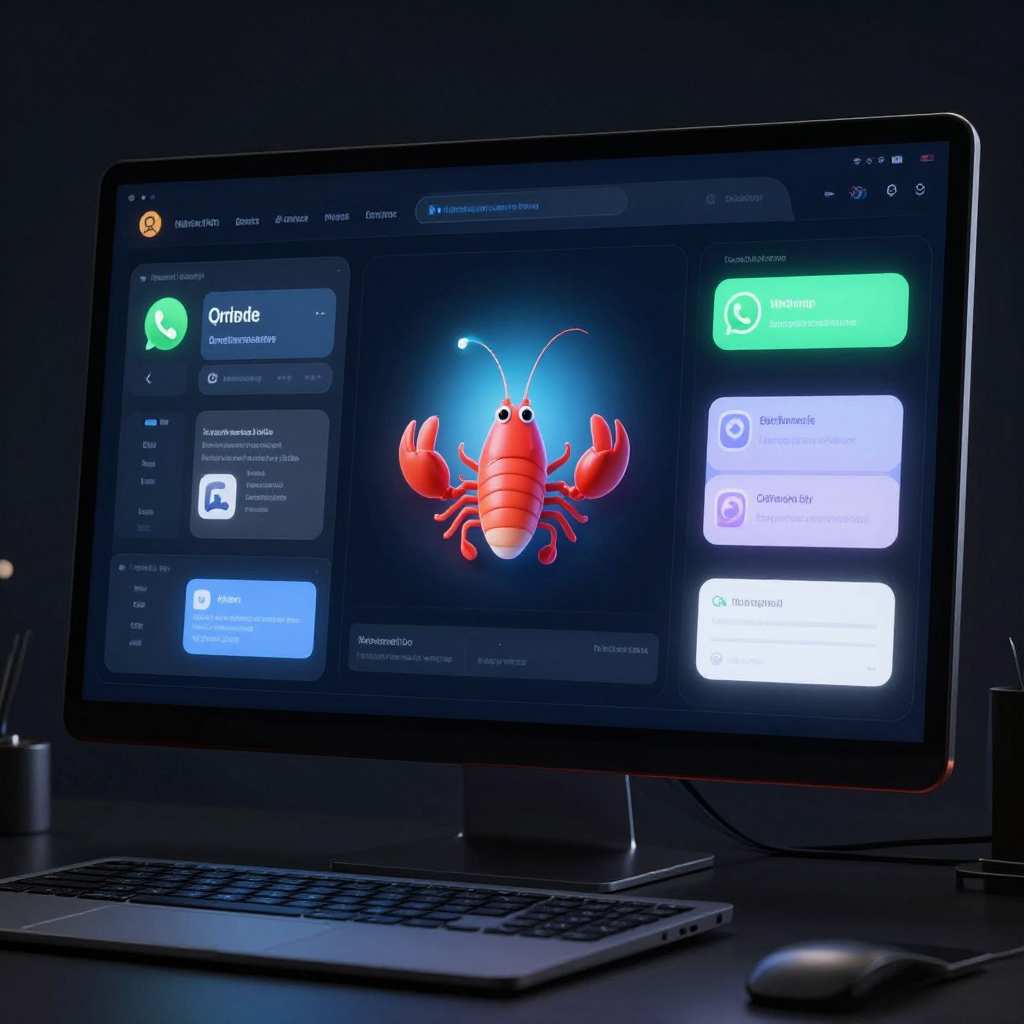
A trademark dispute, crypto scammers, 100K GitHub stars, a social network for AI agents, and a security crisis — the Clawdbot saga has everything. Here's the full story of the viral AI assistant that broke the internet.
UPS cuts 30,000 jobs, Dow eliminates 4,500, Nike automates distribution, Home Depot mandates RTO. The corporate layoff wave of 2026 is driven by AI and automation — here's what's actually happening.
Grok's 'digital undressing' controversy, viral political deepfakes, and the growing AI ethics crisis. What happened, why it matters, and what the tech industry needs to do about it.
Before we write a single line of code, we run a structured discovery call. Here are the exact 7 questions we ask, why each one matters, and how the answers shape every project decision that follows.
From ASUS gaming AR to RayNeo's phoneless glasses and Samsung's creaseless foldable, CES 2026 marked the moment wearable displays went from niche to inevitable. Here's the full landscape.
Yann LeCun left Meta to build world models with a $5B valuation target. Google DeepMind launched real-time 3D world models. Here's why researchers believe this is AI's next major leap.
India has 50,000+ IT service providers. Most are mediocre. Here's an honest insider's guide to identifying the great ones — from portfolio evaluation to contract negotiation, with specific warning signs.
P.276EditorPickAI agents are being deployed everywhere, but their security surface is wildly underexplored. From tool poisoning to memory injection, here's the threat landscape developers must understand in 2026.
P.277EditorPickClaude Code by Anthropic went viral in January 2026. Developers and non-developers alike are getting Claude-pilled. Here is an honest breakdown of what it does, how it compares, and whether the hype holds up.
P.278Cursor revealed how hundreds of concurrent AI agents built a full web browser from scratch. Planner/worker architecture, GPT-5.2 vs Opus 4.5 benchmarks, and what industrial-scale AI coding actually looks like in practice.
TII's Falcon-H1R 7B scores 88.1% on AIME-24 math, outperforming 15B models. Built on a hybrid Transformer-Mamba architecture, it signals a new era for efficient AI. Here's what it means for developers.
The Indian startup ecosystem has shifted. Investors want AI-native products. Users expect intelligent features. Here's how the MVP playbook has changed in 2026 and what it means for founders.
P.281Meta is buying Singapore-based Manus AI to supercharge Meta AI and WhatsApp. This deal reshapes the agentic AI race between Meta, Google, OpenAI, and Microsoft. Here's what it means for developers.
MIT Technology Review dropped its annual list of breakthrough technologies for 2026. From AI coding tools to quantum leaps, here is what actually matters to developers and what is just noise.
India's digital public infrastructure is the most ambitious in the world — UPI, Aadhaar, DigiLocker, ONDC. Here's where the next wave of GovTech opportunities lies for agencies and startups.
P.284EditorPickClawdbot turns your messaging apps into a powerful AI assistant that remembers everything and takes real actions. Here's the complete setup guide for macOS, Linux, and Windows — from installation to daily use.
Three approaches to customizing AI for your use case, with cost comparisons, performance benchmarks, implementation timelines, and a decision framework. The guide we wish existed when we started.
P.286EditorPickForget simple chatbots. Agentic AI is rewriting how businesses operate by orchestrating entire workflows end-to-end. Here's what's actually happening, why it matters, and how to get started.
P.287AI job fears jumped from 28% to 40% in two years. The IMF calls it a tsunami. But the full picture is more nuanced than the headlines suggest. Here's what the data actually shows.
P.288The AI regulatory landscape is fragmented, evolving, and confusing. Here's a practical guide to what you need to know about AI governance in 2026, whether you're building AI products or deploying them.
P.289The convergence of autonomous AI agents and stablecoin-powered payments is creating a new model for online commerce. Here's what agentic commerce is, why it matters, and where it's headed.
P.290Randstad calls it 'the great adaptation.' 97% of investors penalize firms that don't upskill on AI. Here's what effective AI upskilling looks like and why most companies are getting it wrong.
P.291Multimodal AI models that combine vision, language, and action are creating a new category of digital workers. Here's what's real, what's hype, and how developers can start building with them.
P.292The AI industry is shifting from massive general-purpose models to smaller, specialized ones that outperform giants in specific tasks. Here's why this matters and how to take advantage of it.
Voice AI accuracy hit 97% in 2026. Response latency dropped below 200ms. The technology is finally ready — but most teams are building voice interfaces wrong. Here's what actually works.
Traditional test suites break when outputs are non-deterministic. Here's how we test AI-powered features — from LLM output validation to regression testing for prompt changes, with real frameworks and examples.
We build client projects in Next.js daily. But for our own agency website, we chose Astro 5. Here's the performance data, developer experience comparison, and architectural reasoning behind that decision.
Multi-agent systems sound great in demos but break in production. Here's how to architect, orchestrate, and monitor AI agent teams that reliably handle complex workflows — patterns from real deployments.
Model Context Protocol is the new standard for connecting AI to external tools. Here's a practical guide to building, deploying, and debugging MCP servers — with real code examples from production.
Real pricing data for MVP development across 6 regions, with hourly rates, project costs, and quality comparisons. Plus a framework for choosing the right geography for your startup.
Choosing the wrong AI partner wastes 6 months and $50K+. Here is the evaluation framework our CTO clients wish they had before their first engagement — 23 questions across technical depth, process, and culture.
A comprehensive guide to building production-ready AI applications in 2026. Compare GPT-4.5, Claude Opus 4.5, and Gemini 2.0, learn best practices for prompt engineering, and optimize costs.
A detailed breakdown of what goes into a conversion-optimized landing page at different price points — from $800 starter pages to $2,500 premium builds. With real conversion benchmarks and examples.
Should you build a custom AI chatbot or use an off-the-shelf solution? We break down the real costs of Dialogflow, Rasa, custom OpenAI builds, and agency development — with monthly TCO projections.
Patterns, anti-patterns, and hard-won lessons from delivering AI-integrated products across healthcare, e-commerce, Web3, career tech, and data analytics. The stuff nobody blogs about.
Astro for the website, Vercel for deployment, Airtable as CRM, Satori for OG images, a separate content repo with GitHub Actions CI — here's every tool in our stack and the reasoning behind each choice.