Science · Energy
Nuclear Energy & AI — Why Data Centre Demand Is Reigniting the Nuclear Debate
AI data centres are consuming massive energy, reigniting the nuclear power debate. Explore how nuclear energy could power the AI revolution in 2026.

Anurag Verma
14 min read
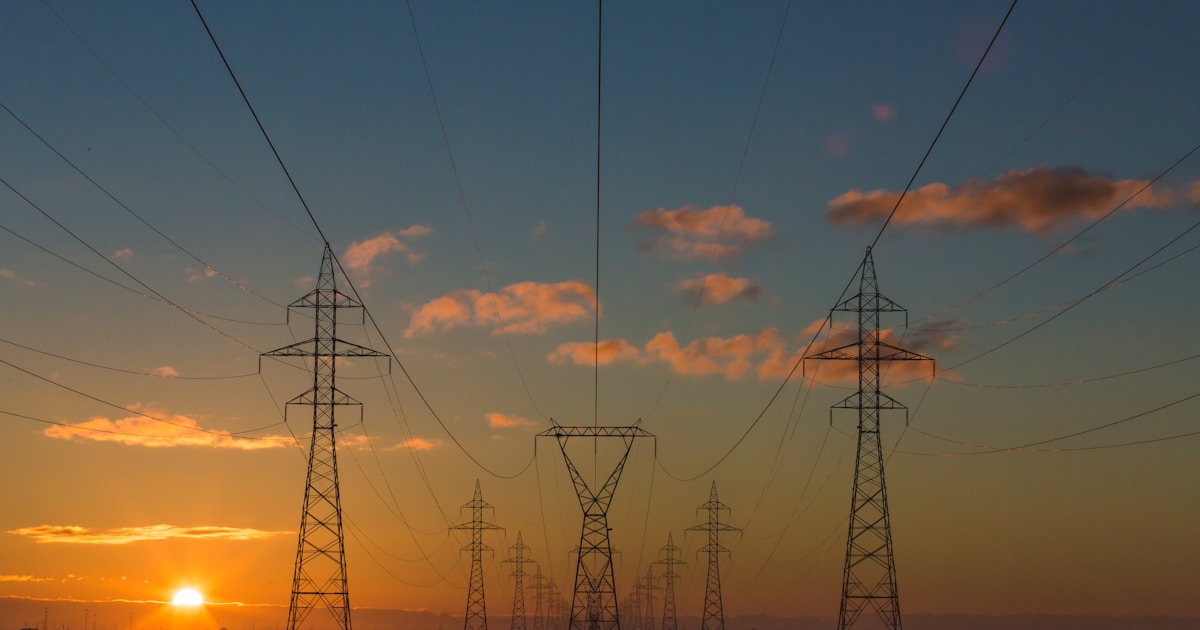
There is a collision happening between two of the most powerful forces shaping the 21st century: artificial intelligence and energy. On one side, AI models are growing exponentially in size, capability, and hunger for computational power. On the other, the electrical grid is straining under demands it was never designed to handle. And in the middle of this collision, an old technology is making an unexpected comeback: nuclear energy.
The spiraling energy demand for AI is the primary driver behind a global reassessment of nuclear power. After decades of decline following the Chernobyl and Fukushima disasters, nuclear energy is suddenly back on the agenda — not because of some ideological shift, but because of cold, hard math. AI data centres require enormous, constant power supply, and there are very few energy sources that can deliver reliable, carbon-free baseload electricity at the scale the AI industry needs.
This is the story of how artificial intelligence is reigniting the nuclear debate, why some of the world’s largest technology companies are betting billions on nuclear power, and what the risks and rewards look like in 2026.
The Energy Problem: AI’s Insatiable Appetite
To understand why nuclear energy is back in the conversation, you need to understand just how much power the AI industry is consuming — and how fast that consumption is growing.
Training a single large AI model like GPT-4 is estimated to have consumed approximately 50 gigawatt-hours of electricity — roughly equivalent to the annual electricity consumption of 4,600 average American homes. But training is only part of the equation. Running AI models in production — processing billions of queries, generating images, analyzing data — requires continuous power that dwarfs the training phase over time.
The International Energy Agency (IEA) projects that global data centre electricity consumption could more than double between 2024 and 2030, rising from approximately 460 terawatt-hours to over 1,000 terawatt-hours annually. To put that in perspective, 1,000 terawatt-hours is roughly the total annual electricity consumption of Japan — the world’s fifth-largest economy.
This growth is not hypothetical. It is already visible in concrete investment decisions.
The Spending Tsunami
Google has announced plans to spend between $175 billion and $185 billion on AI infrastructure in 2026 alone. A massive portion of this spending is directed at data centre construction and the energy systems needed to power them. Microsoft, Amazon, and Google have collectively committed approximately $67.5 billion specifically for data centre investments in India, reflecting the global nature of this infrastructure buildout.
These are not incremental investments. They represent a fundamental restructuring of the global energy landscape driven by a single industry’s demand. And the companies making these investments are acutely aware that their growth plans are constrained by one thing above all others: access to reliable, abundant power.
Why Nuclear? The Case for Atomic AI
Among all available energy sources, nuclear power has a unique combination of characteristics that make it particularly suited to data centre operations.
Reliable Baseload Power
Data centres cannot tolerate power interruptions. A single minute of downtime at a major cloud facility can cost millions of dollars and affect millions of users. This means data centres need baseload power — electricity that is available 24 hours a day, 365 days a year, regardless of weather conditions.
Solar power is excellent but produces nothing at night. Wind power is clean but intermittent. Natural gas is reliable but produces carbon emissions. Nuclear power operates at capacity factors above 90% — meaning nuclear plants produce electricity more than 90% of the time they are operational. No other low-carbon energy source matches this reliability.
Low Carbon Emissions
The AI industry is acutely sensitive to its carbon footprint. Google, Microsoft, and Amazon have all made ambitious climate commitments, pledging to achieve net-zero emissions by 2030 or earlier. But their AI operations are making those commitments increasingly difficult to meet. Google reported that its greenhouse gas emissions rose 48% between 2019 and 2023, driven primarily by data centre energy consumption.
Nuclear power produces virtually zero operational carbon emissions. Over its full lifecycle (including construction, fuel processing, and decommissioning), nuclear generates approximately 12 grams of CO2 per kilowatt-hour — comparable to wind power and far below natural gas (490 g/kWh) or coal (820 g/kWh). For tech companies trying to grow AI operations while shrinking their carbon footprint, nuclear is one of the very few solutions that work.
Energy Density
Nuclear fuel is extraordinarily energy-dense. A single uranium fuel pellet, about the size of a pencil eraser, contains the energy equivalent of approximately 17,000 cubic feet of natural gas or 1,780 pounds of coal. This means nuclear plants have a very small physical footprint relative to their power output — an important consideration when data centres need gigawatts of power in concentrated locations.
Big Tech’s Nuclear Bets
The technology industry has not just been talking about nuclear energy — it has been writing checks.
Microsoft
Microsoft signed a landmark 20-year power purchase agreement with Constellation Energy to restart the Three Mile Island Unit 1 nuclear reactor in Pennsylvania. The deal, announced in 2024, was the most visible signal that big tech was serious about nuclear power. Microsoft has also invested in nuclear fusion research and is exploring partnerships with companies developing small modular reactors.
Google signed an agreement with Kairos Power to purchase electricity from small modular reactors, with the first reactor expected to come online by 2030. Google has also been exploring geothermal energy and advanced nuclear technologies as part of its broader clean energy strategy. With $175-185 billion in planned AI infrastructure spending for 2026, Google’s energy procurement strategy has become one of the most consequential in the world.
Amazon
Amazon has acquired a data centre campus directly adjacent to a nuclear power plant in Pennsylvania, giving it direct access to reliable nuclear power. The company has also invested in nuclear fusion startups and is exploring partnerships for small modular reactor deployment near its data centres.
The Pattern
The pattern across all three companies is clear: they are securing nuclear power not as a distant future option, but as a near-term necessity. The urgency is driven by the simple fact that their AI growth plans require more power than the existing grid can provide, and nuclear is one of the few sources that can deliver at the required scale and reliability.
Small Modular Reactors: The Game Changer?
Much of the excitement around nuclear energy for AI data centres centers on Small Modular Reactors (SMRs) — a new generation of nuclear reactors that are smaller, cheaper, and potentially faster to build than traditional nuclear plants.
What Are SMRs?
SMRs are nuclear reactors with a power output of 300 megawatts or less, compared to traditional reactors that typically produce 1,000 megawatts or more. They are designed to be manufactured in factories and assembled on-site, rather than being custom-built at each location. This modular approach promises several advantages:
- Lower upfront costs: A single SMR might cost $1-3 billion, compared to $10-30 billion for a traditional large reactor.
- Faster construction: Factory manufacturing could reduce construction timelines from 10-15 years to 3-5 years.
- Scalability: Data centre operators could deploy one SMR to start and add more as demand grows.
- Siting flexibility: SMRs’ smaller footprint means they can be located closer to data centres, reducing transmission losses.
The Current State of SMRs
Several SMR designs are in various stages of development and regulatory review:
- NuScale Power has the most advanced SMR design in the US, though its initial project in Idaho faced cost escalations that led to cancellation. The company is pursuing other deployment opportunities.
- Kairos Power is developing a fluoride salt-cooled SMR with backing from Google.
- TerraPower (backed by Bill Gates) is building the Natrium reactor, a sodium-cooled fast reactor, in Wyoming.
- X-energy is developing a high-temperature gas-cooled reactor with applications in both electricity generation and industrial heat.
- Rolls-Royce SMR in the UK is developing a 470 MW reactor design with strong government support.
The Reality Check
While SMRs hold tremendous promise, they are not yet commercially proven at scale. No SMR design has been built and operated commercially in the Western world (Russia and China have operational small reactors). The timelines for deployment keep slipping, and cost estimates remain uncertain until actual projects are completed. For data centre operators who need power in the next 2-3 years, SMRs may still be too far out to solve their immediate needs.
The Key Concerns: Why Nuclear Is Not a Simple Answer
For all its advantages, nuclear energy comes with a set of concerns that cannot be hand-waved away. These concerns are the reason nuclear power declined in the first place, and they remain relevant today.
Reactor Licensing and Regulation
Nuclear reactor licensing is notoriously slow and expensive. In the United States, the Nuclear Regulatory Commission (NRC) approval process can take years and cost hundreds of millions of dollars before construction even begins. There are growing calls to streamline this process — particularly for proven SMR designs — but regulatory reform moves slowly, and there is legitimate tension between speed and safety.
The regulatory challenge is not just about bureaucratic inefficiency. Nuclear safety requires extraordinary rigor, and the consequences of cutting corners are measured in human lives and contaminated landscapes. Finding the right balance between enabling nuclear deployment and maintaining safety oversight is one of the most important policy challenges of the decade.
Nuclear Waste
Nuclear power generates radioactive waste that remains hazardous for thousands of years. No country has yet opened a permanent deep geological repository for high-level nuclear waste, though Finland’s Onkalo facility is expected to begin operations soon. The waste problem is manageable from an engineering perspective — the total volume of high-level nuclear waste produced by the US over its entire nuclear power history would fit on a single football field stacked less than 10 meters high. But the political and social challenges of siting waste storage facilities have proven far more difficult than the technical ones.
Nuclear Proliferation
The expansion of nuclear energy raises proliferation concerns — the risk that nuclear materials or technologies could be diverted to weapons programs. This is particularly relevant as nuclear power expands to new countries that may lack established regulatory frameworks and safeguards. The international export of nuclear reactor technology, including SMRs, must be accompanied by robust non-proliferation safeguards.
Public Perception
Public opinion about nuclear energy varies significantly by country and demographic. In the US, support for nuclear power has been rising, reaching approximately 57% in recent Gallup surveys — the highest level in a decade. But opposition remains strong in some countries, particularly Germany (which shut down its last nuclear plants in 2023) and Japan (where the Fukushima disaster remains a powerful memory).
The association of nuclear energy with AI data centres could cut both ways. It might rehabilitate nuclear’s image by linking it to technological progress and clean energy goals. Or it might generate backlash if people perceive that nuclear risks are being taken to power corporate AI profits rather than to serve public needs.
Economic Bubble Risks
Some energy experts warn that the current rush to build AI data centres and the associated energy infrastructure could create an economic bubble. The concern is that AI spending is being driven by hype and speculative investment rather than sustainable demand, and that a correction could leave expensive nuclear and data centre infrastructure stranded. This is not a reason to avoid nuclear investment, but it is a reason to ensure that investment decisions are grounded in realistic demand projections rather than peak-hype enthusiasm.
India’s Nuclear Energy Landscape
India presents a particularly interesting case study at the intersection of nuclear energy and AI growth.
India is the world’s fifth-largest nuclear power producer, with 23 operational nuclear reactors generating approximately 8.2 gigawatts of capacity. The government has ambitious plans to expand nuclear capacity to 22.5 gigawatts by 2031, though progress has historically been slower than planned.
The $67.5 billion in data centre investments committed by Microsoft, Amazon, and Google in India will require enormous amounts of power. India’s electrical grid, while improving, still faces reliability challenges in many regions. Nuclear power could play a significant role in ensuring that India’s AI infrastructure has the reliable, low-carbon power it needs.
India has also been developing its own SMR capabilities and is one of the few countries with operational fast breeder reactor technology. The Prototype Fast Breeder Reactor at Kalpakkam has been a long-running development project that could eventually contribute to India’s energy independence by using thorium — a resource India possesses in abundance — as a nuclear fuel.
However, India’s nuclear liability laws, which impose strict liability on reactor suppliers, have been a significant deterrent to foreign nuclear investment. Reforming these laws while maintaining appropriate safety protections could be essential to accelerating India’s nuclear energy expansion in tandem with its AI infrastructure buildout.
The Intersection of Clean Energy Goals and AI Growth
The fundamental tension at the heart of this issue is that AI growth is making clean energy goals harder to achieve, and nuclear power is one of the few technologies that can resolve this tension.
Consider the math:
- Google’s emissions rose 48% from 2019 to 2023, driven largely by AI.
- Microsoft’s emissions rose 29% from 2020 to 2023 for similar reasons.
- Both companies have net-zero commitments that they are currently moving further away from, not closer to.
Without a massive expansion of clean baseload power, these companies face an impossible choice: slow down AI growth to meet climate commitments, or abandon climate commitments to grow AI. Nuclear power offers a third option — though one that comes with its own timeline, cost, and risk challenges.
Renewable energy advocates argue that solar and wind, combined with battery storage, can meet data centre needs without nuclear. There is merit to this argument in some geographies, but the scale and reliability requirements of AI data centres push the limits of what intermittent renewables alone can deliver. The most likely outcome is a mixed energy portfolio that includes renewables, nuclear, and energy storage — with nuclear providing the reliable baseload foundation.
What 2026 Holds
Several developments will shape the nuclear-AI energy nexus this year:
- SMR regulatory milestones: NRC decisions on SMR license applications will signal how quickly new nuclear designs can reach deployment.
- Tech company power agreements: Additional nuclear power purchase agreements from major tech companies are expected.
- International nuclear expansion: Countries across Asia, the Middle East, and Eastern Europe are advancing nuclear power programs, partly driven by AI data centre demand.
- Congressional action: US legislators are considering bills to streamline nuclear licensing and support SMR deployment.
- India’s nuclear roadmap: India’s plans for nuclear expansion in conjunction with its data centre buildout will become clearer.
The Bottom Line
The marriage of nuclear energy and AI data centres is not a simple story of technology solving technology’s problems. It is a complex, multi-dimensional challenge involving engineering, economics, regulation, geopolitics, and public trust.
But the direction of travel is clear. The AI industry’s energy needs are vast and growing. The electricity grid was not built for this scale of demand. And nuclear power — particularly the next generation of small modular reactors — offers a combination of reliability, scalability, and low carbon emissions that few other energy sources can match.
The question is not whether nuclear power will play a role in powering the AI revolution. The question is whether governments, regulators, and the nuclear industry can move fast enough to deploy nuclear capacity at the pace the AI industry demands — without compromising the safety standards that nuclear energy absolutely requires.
The stakes could not be higher. Get it right, and nuclear-powered AI data centres could deliver both technological advancement and climate progress. Get it wrong — through either reckless speed or excessive caution — and the consequences will be felt for decades.
Suggested Internal Links:
- AI Sovereignty — Why 93% of Executives Say It’s Mission-Critical in 2026
- Autonomous Vehicles Go Global in 2026 — Waymo, WeRide & the Self-Driving Revolution
The intersection of AI and energy is reshaping the global economy. Stay informed with the CoderCops newsletter — we cover the technologies, policies, and business decisions that matter most. Subscribe Now
More from this category
More from Science
 R.01
R.01 The Emergence of AI in Developing Affordable Energy Solutions
 R.02
R.02 Artemis II Launches February 2026 — NASA's First Crewed Moon Mission in 50+ Years
 R.03
R.03 CAR-T Therapy, Personalized Cancer Vaccines & the Future of Immunotherapy in 2026
The dispatch
Working notes from
the studio.
A short letter twice a month — what we shipped, what broke, and the AI tools earning their keep.
Discussion
Join the conversation.
Comments are powered by GitHub Discussions. Sign in with your GitHub account to leave a comment.