Science · Healthcare
CAR-T Therapy, Personalized Cancer Vaccines & the Future of Immunotherapy in 2026
2026 brings breakthroughs in CAR-T therapy, personalized cancer vaccines & regulatory T cell therapy. Here's what's changing in cancer treatment this year.

Anurag Verma
11 min read
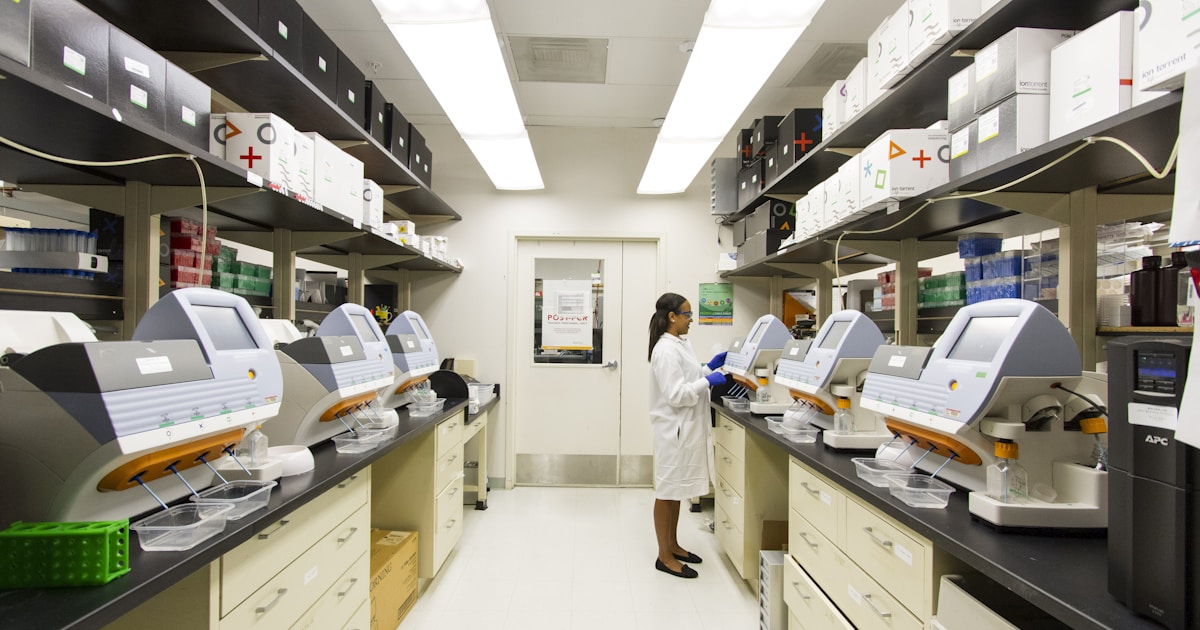
For decades, cancer treatment relied on a blunt arsenal — surgery, chemotherapy, and radiation. These tools saved millions of lives, but they came with devastating side effects and, too often, limited efficacy against advanced or metastatic disease. Then came immunotherapy, a fundamentally different approach that harnesses the body’s own immune system to recognize and destroy cancer cells. And in 2026, immunotherapy is entering what many oncologists are calling its most transformative year yet.
From next-generation CAR-T cell therapies targeting previously untreatable solid tumors to mRNA-based personalized cancer vaccines tailored to the unique molecular fingerprint of each patient’s disease, the breakthroughs arriving this year could redefine what it means to treat — and potentially cure — cancer. But alongside these advances, public health challenges including budget cuts, declining vaccination rates, and persistent healthcare access gaps threaten to undermine progress.
Here is a comprehensive look at where cancer immunotherapy stands in 2026, what is changing, and what patients, clinicians, and investors should be watching.
Understanding the Immunotherapy Revolution
How Immunotherapy Works
The fundamental insight behind immunotherapy is elegant: cancer cells are not foreign invaders. They are the body’s own cells that have gone rogue. Because of this, the immune system often fails to recognize them as threats. Immunotherapy works by either training, enhancing, or reprogramming the immune system to identify and attack cancer cells with precision.
The field has exploded since the first checkpoint inhibitor — ipilimumab — was approved in 2011. Today, immunotherapy encompasses checkpoint inhibitors, CAR-T cell therapy, bispecific antibodies, cancer vaccines, cytokine therapies, and the emerging field of regulatory T cell (Treg) therapy. The global cancer immunotherapy market was valued at approximately $143 billion in 2025, and analysts project it will exceed $260 billion by 2030, driven by the breakthroughs expected in 2026 and beyond.
CAR-T Cell Therapy: Breaking Into Solid Tumors
How CAR-T Works
Chimeric Antigen Receptor T-cell (CAR-T) therapy is one of the most dramatic advances in cancer treatment history. The process involves extracting a patient’s T cells, genetically engineering them in a laboratory to express a receptor that targets a specific protein on cancer cells, expanding them into billions of copies, and infusing them back into the patient. These supercharged T cells then seek out and destroy cancer cells with remarkable precision.
Since the first CAR-T therapy (tisagenlecleucel, marketed as Kymriah) was approved by the FDA in 2017 for pediatric acute lymphoblastic leukemia, six CAR-T products have received approval, all targeting blood cancers such as certain types of leukemia, lymphoma, and multiple myeloma. Response rates have been extraordinary — complete remission rates of 50–90% in patients who had exhausted all other options.
What Is New in 2026
The biggest frontier for CAR-T in 2026 is solid tumors — cancers of the lung, breast, pancreas, colon, and brain that account for roughly 90% of all cancer deaths but have proven far more resistant to CAR-T approaches than blood cancers. The challenge is that solid tumors create a hostile microenvironment that suppresses immune cells, and they lack the clean, singular target antigens that make blood cancers vulnerable.
Several Phase II and Phase III clinical trials reporting results in 2026 are testing next-generation CAR-T designs that address these challenges. These include armored CAR-T cells engineered to secrete cytokines that counteract the immunosuppressive tumor microenvironment, dual-target CARs that recognize two antigens simultaneously to reduce the chance of cancer cells escaping, and logic-gated CARs that activate only when they encounter a specific combination of signals, reducing off-target toxicity.
Companies including Novartis, Bristol Myers Squibb, Gilead/Kite, and a wave of Chinese biotech firms are racing to demonstrate efficacy against glioblastoma, non-small cell lung cancer, and pancreatic adenocarcinoma. If even one of these trials produces meaningful results, it could unlock CAR-T therapy for the tumor types that kill the most people worldwide.
The Cost Challenge
CAR-T therapy remains extraordinarily expensive, with current treatments costing between $373,000 and $475,000 per patient in the United States alone, not including hospitalization and management of side effects. Allogeneic (off-the-shelf) CAR-T products — made from donor cells rather than the patient’s own — are in development and could reduce costs by 60–70% by eliminating the individualized manufacturing process. Several allogeneic candidates are in late-stage trials in 2026.
Personalized Cancer Vaccines: The mRNA Promise
Tailored to Your Tumor
Perhaps no area of oncology has generated more excitement than personalized cancer vaccines, particularly those built on mRNA technology. The concept is straightforward but extraordinarily ambitious: sequence the DNA of a patient’s tumor, identify mutations unique to that cancer (called neoantigens), design an mRNA vaccine that teaches the immune system to recognize and attack cells displaying those neoantigens, and inject it into the patient.
Moderna and Merck’s collaboration on mRNA-4157/V940 (now branded as individualized neoantigen therapy, or INT) has been the most closely watched program in this space. Their Phase II trial in combination with Keytruda (pembrolizumab) for high-risk melanoma showed a 44% reduction in the risk of recurrence or death compared to Keytruda alone — a result that sent shockwaves through the oncology community when it was first reported in late 2022.
2026 Trial Readouts
In 2026, the pivotal Phase III results for INT in melanoma are expected, which could lead to the first regulatory approval of a personalized cancer vaccine. Moderna has also expanded trials into non-small cell lung cancer and head and neck squamous cell carcinoma, with interim data expected this year.
BioNTech, the company that co-developed the Pfizer-BioNTech COVID-19 vaccine, is pursuing a parallel approach with its FixVac and iNeST (individualized neoantigen-specific immunotherapy) platforms. BioNTech’s pancreatic cancer vaccine trial — targeting one of the deadliest cancers with a five-year survival rate of just 12% — has generated encouraging early-phase data, with several patients showing sustained immune responses against their specific tumor neoantigens.
The manufacturing challenge is significant. Each vaccine must be designed, produced, and quality-tested for a single patient, typically within four to six weeks of biopsy. Scaling this process to serve thousands or millions of patients will require entirely new manufacturing paradigms, and both Moderna and BioNTech are investing heavily in automated, AI-driven production facilities.
Regulatory T Cell Therapy: The New Frontier
What Are Tregs?
Regulatory T cells (Tregs) are a specialized subset of immune cells whose primary job is to suppress immune responses — preventing the body from attacking its own tissues. For decades, Tregs were studied primarily in the context of autoimmune diseases, organ transplantation, and immune tolerance.
But in 2026, Treg therapy is emerging as a dual-use tool in oncology. The relationship between Tregs and cancer is complex: tumors often recruit Tregs to their microenvironment to shield themselves from immune attack. Depleting or reprogramming tumor-infiltrating Tregs could strip cancers of this protective shield, making them vulnerable to other immunotherapies.
Clinical Applications in 2026
Several companies are developing Treg-depleting antibodies and engineered Treg therapies in 2026. On the autoimmune side, Treg infusion therapies are in clinical trials for Type 1 diabetes, graft-versus-host disease (GvHD), and systemic lupus erythematosus. On the oncology side, anti-CCR8 antibodies — which selectively deplete tumor-infiltrating Tregs without affecting Tregs elsewhere in the body — are in Phase II trials for multiple solid tumor types.
If successful, Treg-targeted therapies could become the “missing piece” that makes checkpoint inhibitors and CAR-T therapies effective in a broader range of cancers.
Public Health Challenges Threatening Progress
Budget Cuts and Disease Surveillance
Even as immunotherapy science accelerates, the public health infrastructure that underpins cancer care is under strain. In several countries, including the United States, proposed budget cuts to agencies like the CDC and NIH threaten to reduce disease surveillance capabilities, slow clinical trial enrollment, and diminish the workforce of researchers driving these breakthroughs.
Cancer research does not happen in a vacuum. It depends on public funding for basic science, epidemiological data collection, and the training of the next generation of oncologists and immunologists. Any reduction in this infrastructure has compounding effects that may not be visible for years but could significantly slow the pace of discovery.
Declining Vaccination Rates
While not directly related to cancer immunotherapy, the global decline in routine vaccination rates is a public health crisis that diverts resources and attention from other medical priorities. Canada lost its measles elimination status in 2025 after a series of outbreaks linked to declining MMR vaccination coverage. Similar trends are emerging across Europe and parts of the United States.
The erosion of public trust in vaccines — ironically, at the same time that mRNA vaccine technology is being applied to cancer — represents a paradox that the medical community must address head-on. If public skepticism undermines confidence in mRNA-based cancer vaccines, the consequences for patients could be severe.
Healthcare Access: The India Context
India, home to 1.4 billion people, faces unique challenges and opportunities in cancer immunotherapy. The country spends just 2.1% of its GDP on healthcare, according to World Bank data — well below the global average of approximately 6%. Despite this, India has become a significant hub for clinical trial activity and generic drug manufacturing that could eventually make immunotherapies more affordable globally.
The Indian government’s Ayushman Bharat scheme — the world’s largest public health insurance program — covers over 500 million citizens, but access to advanced therapies like CAR-T remains limited to a handful of premier institutions in major cities. Bridging this gap will require both policy innovation and private sector investment.
The Digital Health Dimension
Mental health apps — relevant because cancer patients experience depression and anxiety at rates three to four times higher than the general population — are projected to grow at approximately 20% annually through 2030. Platforms that integrate mental health support with cancer care pathways are emerging as an important complement to medical treatment, addressing the holistic needs of patients navigating immunotherapy’s often grueling timelines and side effects.
What Patients and Investors Should Watch
For Patients
The most important thing to understand is that immunotherapy is not a single treatment. It is an expanding toolkit. If you or a loved one is facing a cancer diagnosis in 2026, ask your oncologist specifically about clinical trials — especially for personalized vaccines and next-generation CAR-T therapies. Websites like ClinicalTrials.gov list thousands of active immunotherapy trials, many of which are actively recruiting.
For Investors
The biotech investment landscape in 2026 is being shaped by several catalysts. The Moderna/Merck Phase III readout for INT is perhaps the single most important data event in oncology this year. Allogeneic CAR-T companies, if they demonstrate comparable efficacy to autologous products at lower cost, could capture enormous market share. And Treg-targeting therapies, still in earlier stages, represent a high-risk, high-reward opportunity.
Key companies to watch include Moderna (mRNA vaccines), BioNTech (mRNA vaccines and CAR-T), Bristol Myers Squibb (checkpoint inhibitors and CAR-T), Gilead/Kite (CAR-T), and a growing roster of biotech firms in China and India that are developing lower-cost alternatives.
The Road Ahead
Cancer immunotherapy in 2026 is no longer a promise — it is a reality delivering tangible results for real patients. But it is also a field full of unanswered questions. Will personalized vaccines work outside of melanoma? Can CAR-T break into solid tumors at scale? Will regulatory T cell therapy deliver on its theoretical potential?
The answers to these questions will emerge from the clinical trial data arriving throughout this year. And those answers will determine not just the future of cancer treatment, but the future of medicine itself.
We are living through what historians may one day call the golden age of immunotherapy. The science is extraordinary. The challenge now is ensuring that every patient who could benefit from these therapies actually gets access to them.
Suggested Internal Links:
- Link to articles on mRNA technology and its evolution from COVID vaccines
- Link to coverage of Indian healthcare policy and Ayushman Bharat
- Link to biotech investment guides and market analysis
- Link to mental health and digital wellness coverage
Call to Action: Cancer immunotherapy is evolving faster than ever. Subscribe to our newsletter for the latest trial results, regulatory approvals, and expert analysis on the breakthroughs reshaping cancer treatment. Share this article with anyone who needs to understand what 2026 means for the fight against cancer.
More from this category
More from Science
 R.01
R.01 The Emergence of AI in Developing Affordable Energy Solutions
 R.02
R.02 Artemis II Launches February 2026 — NASA's First Crewed Moon Mission in 50+ Years
 R.03
R.03 India's Gaganyaan Mission — Everything About ISRO's First Orbital Spacecraft Test
The dispatch
Working notes from
the studio.
A short letter twice a month — what we shipped, what broke, and the AI tools earning their keep.
Discussion
Join the conversation.
Comments are powered by GitHub Discussions. Sign in with your GitHub account to leave a comment.