Node.js vs Deno vs Bun in 2026: The JavaScript Runtime Wars
Bun hits 52K req/sec, Deno 2 achieves full npm compatibility, and Node.js remains the enterprise standard. A practical comparison with benchmarks, code examples, and migration guides.
Category
71 articles in Web Development.
Bun hits 52K req/sec, Deno 2 achieves full npm compatibility, and Node.js remains the enterprise standard. A practical comparison with benchmarks, code examples, and migration guides.
WASI 0.3 dropped in February 2026 with native async I/O, stream types, and full socket support. Here's why this changes everything for server-side WebAssembly.
Astro 6 beta ships CSP nonce support, declarative web components, improved server islands, and Vite 7. We break down the architecture decisions and tradeoffs.
A step-by-step methodology for implementing Software Bill of Materials (SBOM) generation, dependency scanning, and vulnerability management in your CI/CD pipeline.
Gartner projects the low-code market will reach $44.5 billion in 2026, with 75% of new apps built on low-code platforms. We analyze where these tools excel, where they fail, and what developers should actually do about it.
Learn how to migrate to Next.js 16 with Turbopack as the default bundler, React Compiler integration, and cache components. Step-by-step guide with code examples.
Svelte 5.49 runes and SvelteKit remote functions transform server-client communication. A practical guide with migration stories, code examples, and React comparisons.
TypeScript 6 beta rewrites the compiler in Go, delivering 10x faster builds. We analyze benchmarks, ecosystem impact, editor support, and the migration path from TS 5.8.
WASI 0.3 introduces native async I/O, stream types, and full socket support to WebAssembly. We analyze the Component Model changes, language support, and why this release finally makes Wasm viable for production server workloads.
The timezone juggling, the cultural code-switching, the payment friction, and the surprising advantages. An honest founder's perspective on building an India-based agency serving US, UK, and Australian clients.
Async Django is production-ready in 2026, but landmines still exist. Four real projects, benchmarks, and a framework for deciding when async actually helps.
We migrated three production projects from Celery to Django's new Tasks framework. Two went smoothly. One was a disaster. Here is everything we learned.
Most DRF vs FastAPI comparisons are written by people who only use one. We ship both in production. Here is what actually matters and when to choose each.
We rebuilt a React SPA as a Django + HTMX app. 847KB of JavaScript became 48KB. Here is every pattern, rough edge, and performance win from the migration.
Building a modern food delivery platform with real-time order tracking, smart cart systems, and mobile-first design using Next.js, FastAPI, and MongoDB. Here is what we learned about performance at scale.
Micro-frontends have matured past the hype phase. We break down Module Federation 2.0, composition patterns, and the real-world scenarios where splitting your frontend actually pays off.
A deep dive into how we built codercops.com with Astro 5 SSR, Supabase as a CMS, Git-based content, and Edge Functions. Architecture decisions and lessons learned.
Step-by-step tutorial to build a live-updating analytics dashboard using Supabase Realtime subscriptions, Astro SSR, and D3.js charts. Full code included.
How we built a Git-to-Supabase content pipeline with SHA-256 delta sync, Edge Functions, and GitHub Actions. Full architecture and code walkthrough.
Trunk-based, Git Flow, GitHub Flow — we have tried them all. Here is the simple Git workflow that works for teams under 10 and the mistakes to avoid.
How we built a Web3 platform for creators to register, protect, and monetize intellectual property using Ethereum smart contracts, IPFS storage, and AI-powered content tools. 12,500+ IP assets registered.
We have built production apps with all three. Here is an honest comparison of Next.js 15, Astro 5, and Remix covering performance, DX, and when to use each.
Our curated list of npm packages that make it into every CODERCOPS project. Each one battle-tested across 30+ production apps with alternatives we considered.
Server components have gone from React experiment to cross-framework standard. Here is how they work in React, Vue, Astro, and Svelte — and what changes for your apps.
CSS has changed more in the last 2 years than the previous 10. Here is what is production-ready, what to adopt now, and what you can stop using.
These 5 VS Code extensions eliminated 3 separate tools from my workflow. Each one with setup tips, settings tweaks, and why it beats the alternatives.
From concept to launch: building a 24/7 anonymous mental wellness platform with AI-powered listener matching, real-time encrypted chat, and affordable therapy access using Next.js, Django, and Azure.
Vue 3.6 introduces Vapor Mode, compiling templates directly to DOM operations and skipping the virtual DOM entirely. We break down the benchmarks, the tradeoffs, and what this means for the vdom debate.
Angular 21 ships with signals-based reactivity, zoneless change detection, and a dramatically simplified developer experience. After years of decline, enterprise teams are reconsidering. Here is what changed.
The low-code market will hit $264B by 2032, but that does not mean every app should be built on Bubble or Retool. Here is a framework for knowing when low-code saves you money and when it costs you everything.
Data centers consume 2-3% of global electricity and that number is climbing fast. Green software engineering is no longer a nice-to-have -- it is becoming a regulatory and commercial requirement.
The European Commission's Digital Omnibus proposal rewrites key GDPR provisions for the first time in eight years. We break down every change that matters for development teams shipping products in the EU.
Anders Hejlsberg announced the Go-based TypeScript compiler in March 2025. With TypeScript 7.0 on track for mid-2026, early benchmarks show 10x faster type-checking. We unpack what this means for your projects.
Vite started as a dev server experiment by Evan You. In 2026, it is the default build tool for nearly every major framework. We trace how it won, what the modern JS toolchain looks like, and where Webpack fits now.
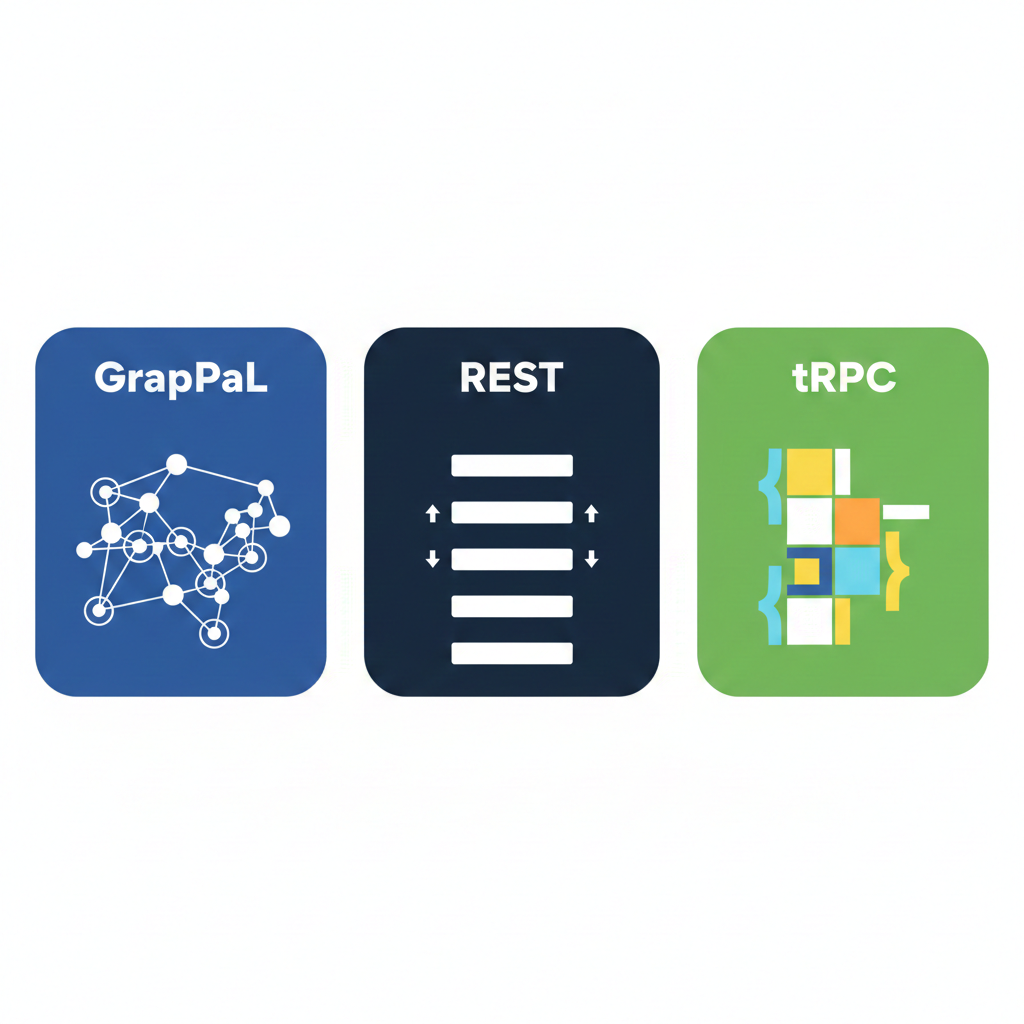
P.35The API landscape has matured beyond the GraphQL vs REST debate. Here's how to choose between REST, GraphQL, tRPC, and gRPC based on your actual requirements.
Cloudflare has acquired The Astro Technology Company, bringing the popular open-source web framework under its umbrella. We analyze the acquisition, its impact on Astro developers, and Cloudflare's broader web platform strategy.
P.37The database landscape is consolidating around Postgres while SQLite finds new life at the edge. Meanwhile, vector databases have become essential infrastructure for AI applications.
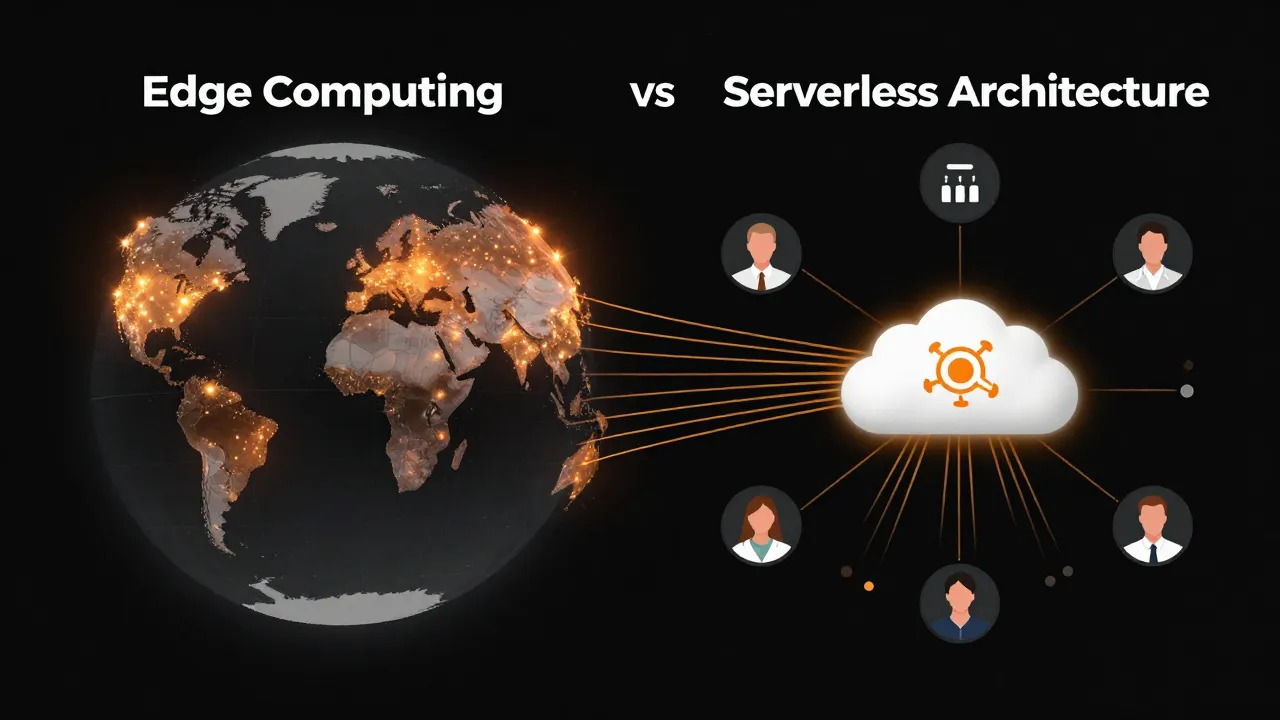
P.38Cloudflare Workers, Vercel Edge Functions, and Deno Deploy compete with AWS Lambda and traditional serverless. Here's how to choose the right compute model for your workload.
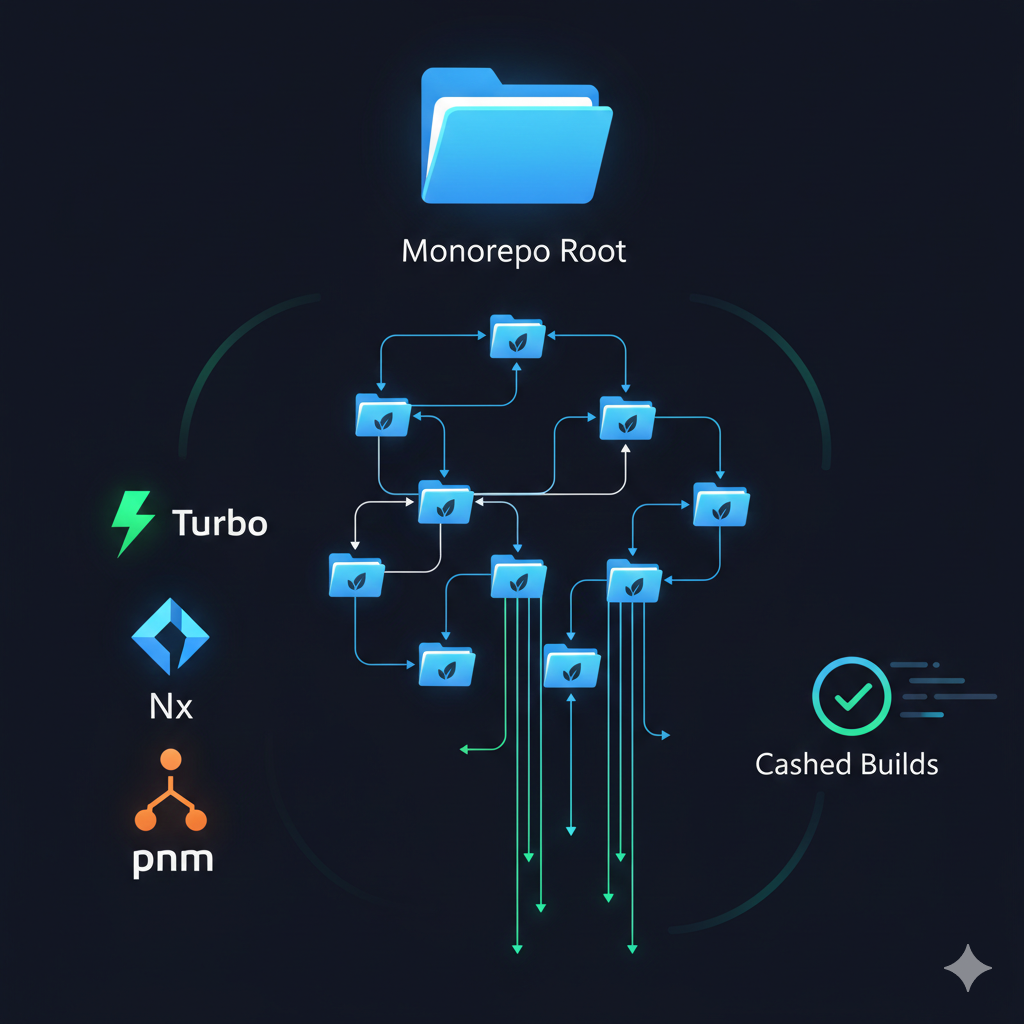
P.39Monorepos are mainstream, but choosing between Turborepo, Nx, and pnpm workspaces is confusing. Here's a practical guide to picking the right tool for your team.
Remix 3 drops React for a Preact fork and web-standards-first architecture. Here's why this matters, what it means for React developers, and whether the post-React era is truly upon us.
P.41Every codebase has technical debt. The question is whether you manage it intentionally or let it manage you. Here's how to identify, prioritize, and pay down debt systematically.
P.42WebAssembly is no longer just a browser technology. Server-side WASM, the component model, and WASI are reshaping how we build and deploy software across cloud, edge, and embedded systems.
Astro 6 Beta brings a redesigned dev server, first-class Cloudflare Workers support, live content collections, and major performance improvements. Here's what developers need to know about migrating from Astro 5.
jQuery 4.0.0 dropped on January 17, 2026 -- the first major version in nearly a decade. Here's what's new, why jQuery still matters, and who should care about this release.
Vercel raised $300M at a $9.3B valuation to scale its AI Cloud platform and V0 development agent. We analyze what the funding means, how V0 is reshaping development workflows, and the competitive landscape.
Most agencies disappear after deployment. Here is our exact 90-day post-launch process — from day-one monitoring to month-three handoff — with the checklists, tools, and escalation paths we use for every project.
A comprehensive, honest comparison of the top web development agencies in 2026. We break down specialties, tech stacks, pricing, and ideal client fit — so you can choose the right partner for your project.
Hiring a web development agency? Here's the framework we wish every client used before contacting us. Covers evaluation criteria, red flags, questions to ask, and how to get the best results from your agency partnership.
How we split our agency website into two repos — one for code, one for content — and why this architecture scales better than a monolith. With our exact Git submodule setup, GitHub Actions validation, and content workflow.
Astro vs Next.js vs Remix. PostgreSQL vs MongoDB. Vercel vs AWS. Every technology choice in your web application has tradeoffs. Here's a practical guide to making the right decisions for your project.
A CVSS 10.0 remote code execution vulnerability in React Server Components has been actively exploited in the wild. Here's the full breakdown of React2Shell, the follow-up DoS CVE, patching guidance, and lessons for React developers.
From $800 landing pages to $500K enterprise platforms — here's the real breakdown of web development costs in 2026, with pricing by project type, region, and technology stack.
30% of companies mandate 5-day RTO. 87% of candidates demand remote options. Office occupancy sits at 50%. The data tells a different story than the headlines. Here's what's actually happening in 2026.
Before we write a single line of code, we run a structured discovery call. Here are the exact 7 questions we ask, why each one matters, and how the answers shape every project decision that follows.
India has 50,000+ IT service providers. Most are mediocre. Here's an honest insider's guide to identifying the great ones — from portfolio evaluation to contract negotiation, with specific warning signs.
India's digital public infrastructure is the most ambitious in the world — UPI, Aadhaar, DigiLocker, ONDC. Here's where the next wave of GovTech opportunities lies for agencies and startups.
We build client projects in Next.js daily. But for our own agency website, we chose Astro 5. Here's the performance data, developer experience comparison, and architectural reasoning behind that decision.
Real pricing data for MVP development across 6 regions, with hourly rates, project costs, and quality comparisons. Plus a framework for choosing the right geography for your startup.
A detailed breakdown of what goes into a conversion-optimized landing page at different price points — from $800 starter pages to $2,500 premium builds. With real conversion benchmarks and examples.
Astro for the website, Vercel for deployment, Airtable as CRM, Satori for OG images, a separate content repo with GitHub Actions CI — here's every tool in our stack and the reasoning behind each choice.
Learn the 5 SOLID principles of clean code through real-world analogies, humor, and simple examples. No PhD required - just common sense and a sense of humor.
From AI-first development to meta-frameworks dominance, discover the key trends shaping web development in 2026 and how to stay ahead of the curve.
A comprehensive guide to React 19's new features including Server Components, Actions API, React Compiler, and the new hooks that are changing how we build React applications.

TypeScript 5.8 brings improved type checking, direct Node.js execution, and better JavaScript interoperability. Here's everything developers need to know.
Master Next.js App Router with this comprehensive guide covering Server Components, Partial Pre-rendering, typed routes, and the latest features in Next.js 15 and 16.
A deep dive into edge computing platforms, comparing Cloudflare Workers, Vercel Edge Functions, and Netlify Edge. Learn when to use each and how to optimize for the edge.
Microsoft, Google, and Amazon are migrating critical systems to Rust. Learn why Rust is becoming the default choice for systems programming and how to get started.
From supply chain attacks to AI-powered threats, learn the essential security practices every developer must know in 2026 to build secure applications.
Essential practices for building fast, accessible, and maintainable web applications in 2024.
A practical guide to creating and implementing design systems that scale with your team and product.
Step-by-step guide to configuring a complete full-stack development environment with Python, Django backend, and React frontend.