Service · S.06
Startup App Development
Web + mobile apps built for the founder who needs to ship now.
How we work
The process we follow.
-
Step · 01
One codebase
We use Expo + React Native so iOS, Android, and web share 90%+ of the code. One bug, one fix, three platforms.
-
Step · 02
Real device testing
Every Friday demo runs on a real iOS and a real Android device, not just a simulator. Reality is rarely what the simulator shows.
-
Step · 03
Store submission
We handle the metadata, screenshots, App Store review responses, and rejection appeals. Most builds get approved on the first or second try.
-
Step · 04
Iteration
Expo OTA updates let us push fixes without re-submitting. Native changes go through the normal store review.
Pricing
Fair, fixed, written down.
Starts at
$8,000
Typical timeline
5–10 weeks
Package · 01
App MVP
$8,000
5–6 weeks
- iOS + Android (one codebase)
- Auth + 1 core feature loop
- Submitted to TestFlight
Package · 02
Startup app
$15,000
7–10 weeks
- Full feature scope
- App Store + Play Store submission
- Web counterpart
- Launch-ready marketing site
Package · 03
Long-term partnership
$10,000+/mo
Ongoing
- Dedicated builder
- Continuous shipping
- OTA + native updates
- Until you raise or hire
Press clippings
What clients actually said.
“They turned a Notion page into a live product in three weeks. Friday demos kept me sane — I always knew what was happening.”

Prathviraj Singh
Founder · The Venting Spot
“Finding someone who can actually ship LLM features in production is rare. The studio shipped, then helped me hire a verified builder for the rollout.”

Alex Chen
CEO · Lore Protocol
“I've worked with two big agencies before. CODERCOPS quoted half, shipped twice as fast, and the code is something my team can actually maintain.”

Ryan Riyas
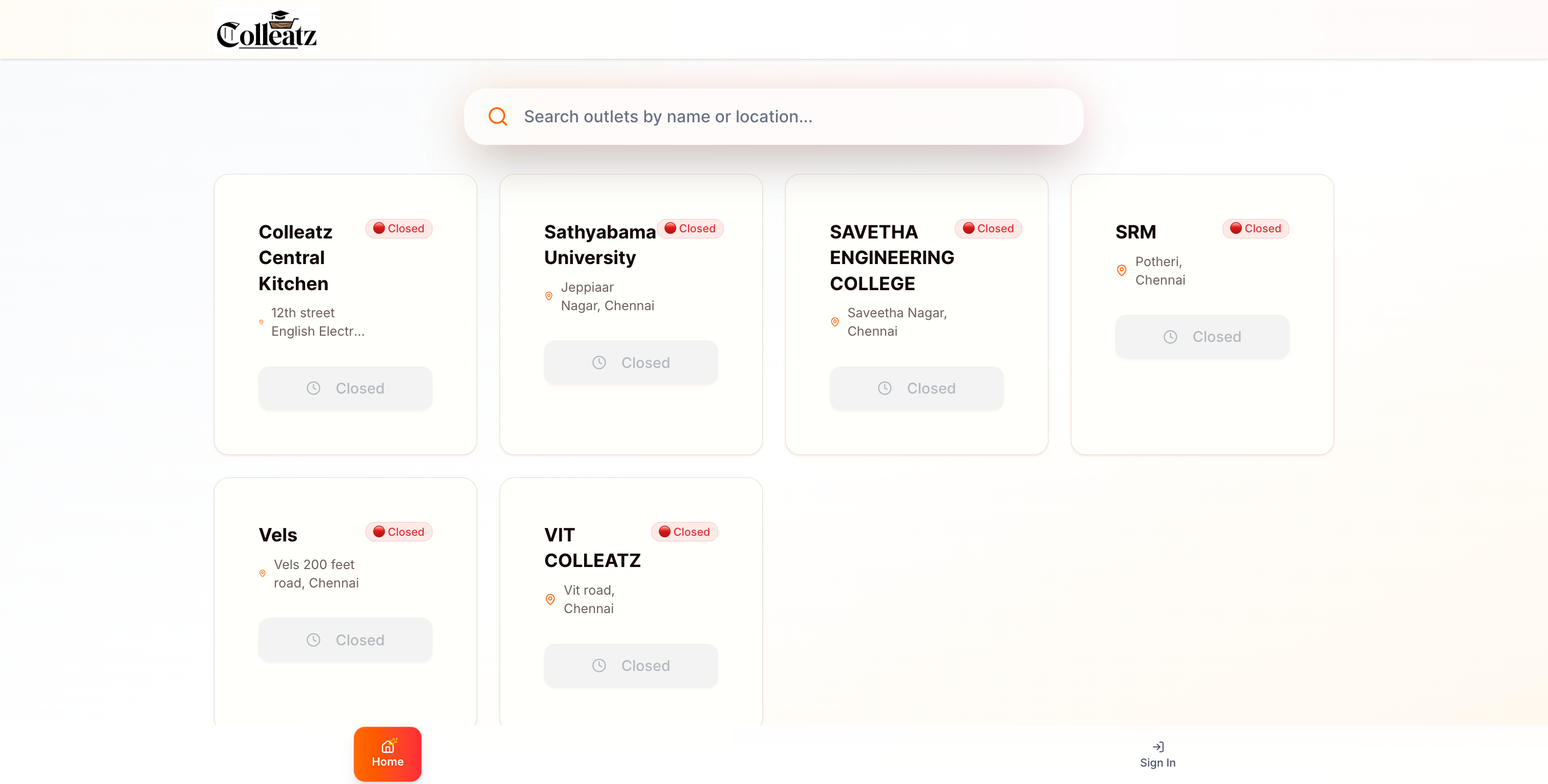
Founder · Colleatz
“The verified-builder bench is the secret weapon. When their team was full, they introduced me to someone who matched the brief perfectly.”

Kavya Patel
Product Lead · Prooflater
The toolkit
The stack we trust.
Mobile
- React Native
- Expo (EAS)
- TypeScript
- Zustand
Web
- Next.js 16
- React 19
- Shared component library
Backend
- Django + DRF
- PostgreSQL
- Redis
- S3/R2
Native
- Swift
- Kotlin
- When the product genuinely needs it
Boring choices on purpose. Plain-stack code outlives the consultant. If you have a stack already, we'll meet you there.
When you need an app, not just a website
A web app is faster to build, cheaper to maintain, and easier to iterate. Default to web.
Pick mobile when:
- Push notifications drive your retention. A web push is a courtesy; a mobile push is a habit.
- Camera, biometrics, or location are core to the product. Web has these APIs but mobile is a tier better.
- Offline matters. Field workers, rural users, travel apps. Web’s offline story is improving but mobile is still ahead.
- Your competition is on the App Store. Discovery matters. If your category lives in stores, you live in stores.
If none of those apply, build the web version first.
What we ship
A working app on iOS and Android, submitted to both stores, with the metadata, screenshots, and assets ready for review. A web version that shares the codebase. A backend that syncs across all three. A subscription system that handles IAP on iOS, Google Billing on Android, and Stripe on web — with a single source of truth.
And — because everyone forgets this — a CI pipeline (Expo EAS Build) that lets you ship updates without manual builds. Tag a release; thirty minutes later your app is in TestFlight.
What “founder-budget” means
Most agencies will quote you $40k+ for a “real” mobile app. That number assumes:
- You want native iOS AND native Android (two codebases, two teams).
- You want pixel-perfect platform-specific UX (we don’t, mostly).
- You want six weeks of polish that nobody outside the team will notice.
Our pricing assumes you’re a founder who needs to put the product in 100 users’ hands and learn whether to keep building. That’s a different problem and it deserves a different price.
Common questions
Things people ask first.
Almost certainly no. React Native covers 95% of features and ships in half the time. We only recommend native for performance-critical apps (high-end gaming, complex AR, real-time audio).
We've shipped to the App Store thirty-plus times. Most rejections are predictable (privacy policy, metadata, payments). We pre-empt them in the build and handle appeals if they come up.
Yes — IAP for both stores, plus Stripe for web. Subscription state syncs across platforms via your backend.
Yes. First week is reading the codebase and writing a triage report. Second week is shipping fixes and improvements.
Yes — we use platform-specific UI patterns (iOS uses iOS conventions, Android uses Material). Users shouldn't be able to tell it's React Native unless we specifically optimize for cross-platform consistency.