AI Integration · Industry News
CES 2026: AI, Robotics, and the Future of Technology
A deep dive into the biggest announcements from CES 2026 - from NVIDIA's Rubin platform to humanoid robots entering our homes. Here's everything developers need to know.

Anurag Verma
5 min read
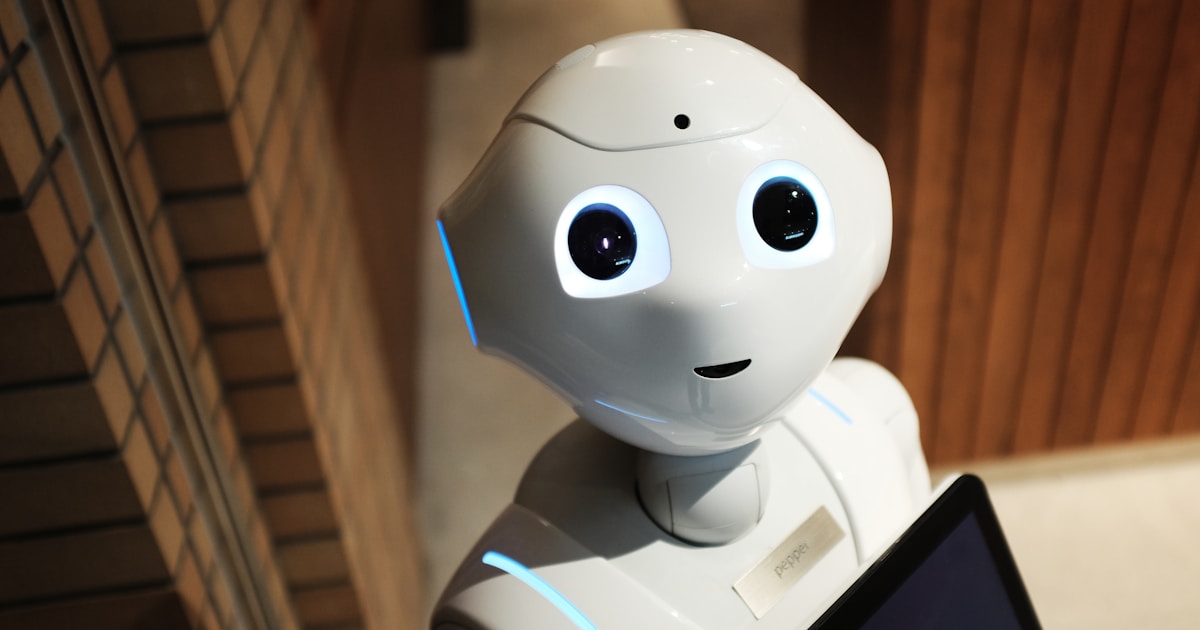
CES 2026 has concluded, and one thing is crystal clear: AI has evolved from buzzword to backbone. This year’s show wasn’t just about showcasing AI—it was about demonstrating how artificial intelligence is becoming the foundation of every technology category.

The Rise of “Physical AI”
The biggest buzzword at CES 2026 wasn’t just “AI”—it was “Physical AI”. NVIDIA CEO Jensen Huang introduced this term to describe AI models trained in virtual environments using synthetic data, capable of understanding and interacting with the physical world.
“Physical AI represents the next frontier. We’re not just training models on text and images anymore—we’re teaching them to understand physics, space, and real-world interactions.” — Jensen Huang, NVIDIA CEO
NVIDIA’s Game-Changing Announcements
NVIDIA stole the show with several groundbreaking announcements:
1. Rubin Platform NVIDIA unveiled Rubin, their first extreme-codesigned AI platform. This represents a fundamental shift in how AI hardware and software are developed together from the ground up.
2. Cosmos Foundation Model Perhaps the most impressive demonstration was Cosmos—an AI foundation model capable of simulating environments governed by actual physics. This has massive implications for:
- Autonomous vehicle training
- Robotics development
- Game development
- Scientific simulation
3. DLSS 4.5 For gamers and graphics developers, DLSS 4.5 now enables 4K path-traced gaming at 240 fps using AI-fueled super resolution and frame generation.
Humanoid Robots: From Sci-Fi to Reality
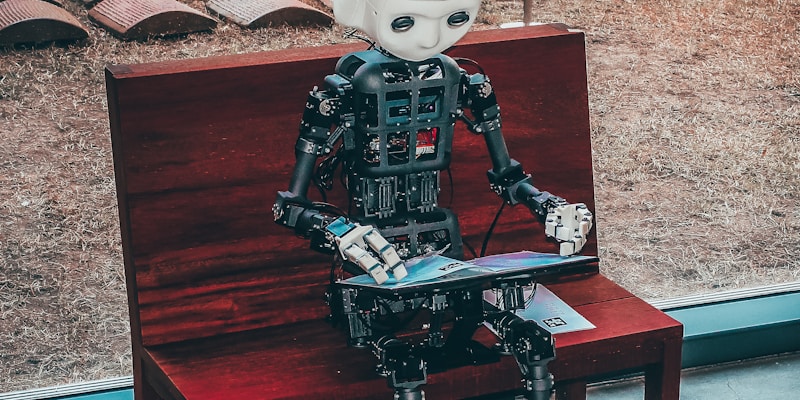
Robots were everywhere at CES 2026, but this year felt different. We’re seeing a clear transition from concept to consumer-ready products.
LG’s Home Robot
LG made waves by unveiling a humanoid robot designed for household chores:
- Laundry folding
- Food retrieval and delivery
- Basic home assistance
This marks one of the first major consumer electronics companies promising to put service robots in homes within the next few years.
Industrial and Medical Robots
NVIDIA’s showcase included:
- A cowboy hat-wearing humanoid bot (for entertainment)
- Surgical robots with AI-assisted precision
- Warehouse automation robots
AMD partnered with Generative Bionics to showcase GENE.01, while Intel demonstrated Oversonic Robotics’ RoBee powered by Core Ultra 3 processors.

AI in Every Device Category
AI TVs and Smart Displays
Samsung, LG, and other TV manufacturers showcased AI-powered features:
- Real-time content upscaling using on-device AI
- Personalized content recommendations
- Voice control with contextual understanding
- Smart home integration hub capabilities
Google announced bringing Gemini 3 to Google TV, enabling conversational AI directly on your television.
AI PCs and Processors
AMD CEO Lisa Su announced a new line of Ryzen AI processors, expanding the company’s footprint in AI-powered personal computers. Key features include:
AMD Ryzen AI Processors (2026)
├── Neural Processing Unit (NPU): 50+ TOPS
├── Integrated AI Acceleration
├── Local LLM Support
└── Enhanced Power Efficiency
Even AI Toilets
Yes, you read that right. AI has made its way into bathroom fixtures, with smart toilets offering:
- Health monitoring through waste analysis
- Personalized bidet settings
- Water usage optimization
- Predictive maintenance alerts
Samsung’s Trust-First AI Approach
Samsung’s Tech Forum at CES 2026 focused on an often-overlooked aspect of AI: trust, security, and privacy.
Their key message: “The AI technologies that earn long-term trust will be those that prioritize security, transparency and meaningful user choice from the start.”
This signals a maturing industry that’s beginning to address consumer concerns about AI privacy.
Intel’s Government Partnership
In a surprising development, the Trump administration secured a 10% stake in Intel, making the U.S. government one of Intel’s biggest shareholders. This move aims to:
- Support domestic semiconductor manufacturing
- Reduce dependence on foreign chip production
- Accelerate AI chip development in the United States
What This Means for Developers
1. Physical AI Development Opportunities
With NVIDIA’s Cosmos and similar platforms, developers can now:
- Train robots in simulated environments before real-world deployment
- Create more realistic game physics using AI
- Develop autonomous systems with better safety testing
2. On-Device AI is the Future
The push for AI-capable processors in every device means:
- More opportunities for edge AI applications
- Reduced reliance on cloud processing
- New privacy-preserving AI implementations
3. Robotics SDK Development
As humanoid robots become mainstream, expect:
- New robotics development frameworks
- Integration APIs for home automation
- Computer vision and spatial awareness libraries
The 2026 AI Outlook
Industry experts predict that 2026 will be the year AI moves from hype to pragmatism. The focus is shifting:
| From | To |
|---|---|
| Building larger models | Deploying efficient, smaller models |
| Cloud-only AI | Edge and on-device AI |
| General-purpose AI | Task-specific optimization |
| AI as feature | AI as infrastructure |
Key Takeaways
- Physical AI is the next frontier—AI that understands and interacts with the real world
- Humanoid robots are entering the consumer market, starting with home assistance
- On-device AI processing is becoming standard across all device categories
- Trust and privacy are becoming competitive differentiators for AI products
- Semiconductor geopolitics is shaping technology development
Resources and Further Reading
- NVIDIA CES 2026 Keynote
- MIT Technology Review: What’s Next for AI
- TechCrunch: AI Moves from Hype to Pragmatism
Stay tuned to CODERCOPS for more coverage of emerging technologies and how they impact developers.
More from this category
More from AI Integration
 R.01
R.01 Google Workspace Gets a Major AI Boost: Gemini Now Powers Docs, Sheets, Slides & Drive
 R.02
R.02 Agentic AI in 2026: Inside Google's Agent Leap Report and the Rise of Autonomous AI
 R.03
R.03 Best AI Coding Models Compared: The Definitive February 2026 Guide
The dispatch
Working notes from
the studio.
A short letter twice a month — what we shipped, what broke, and the AI tools earning their keep.
Discussion
Join the conversation.
Comments are powered by GitHub Discussions. Sign in with your GitHub account to leave a comment.