AI Integration · Industry Trends
The AI Infrastructure Era: Inside Tech's $3 Trillion Data Center Race
Meta Compute, OpenAI's 750MW deal, and a projected $3 trillion investment in AI infrastructure. The biggest story in tech isn't about models—it's about who controls the compute.

Anurag Verma
8 min read
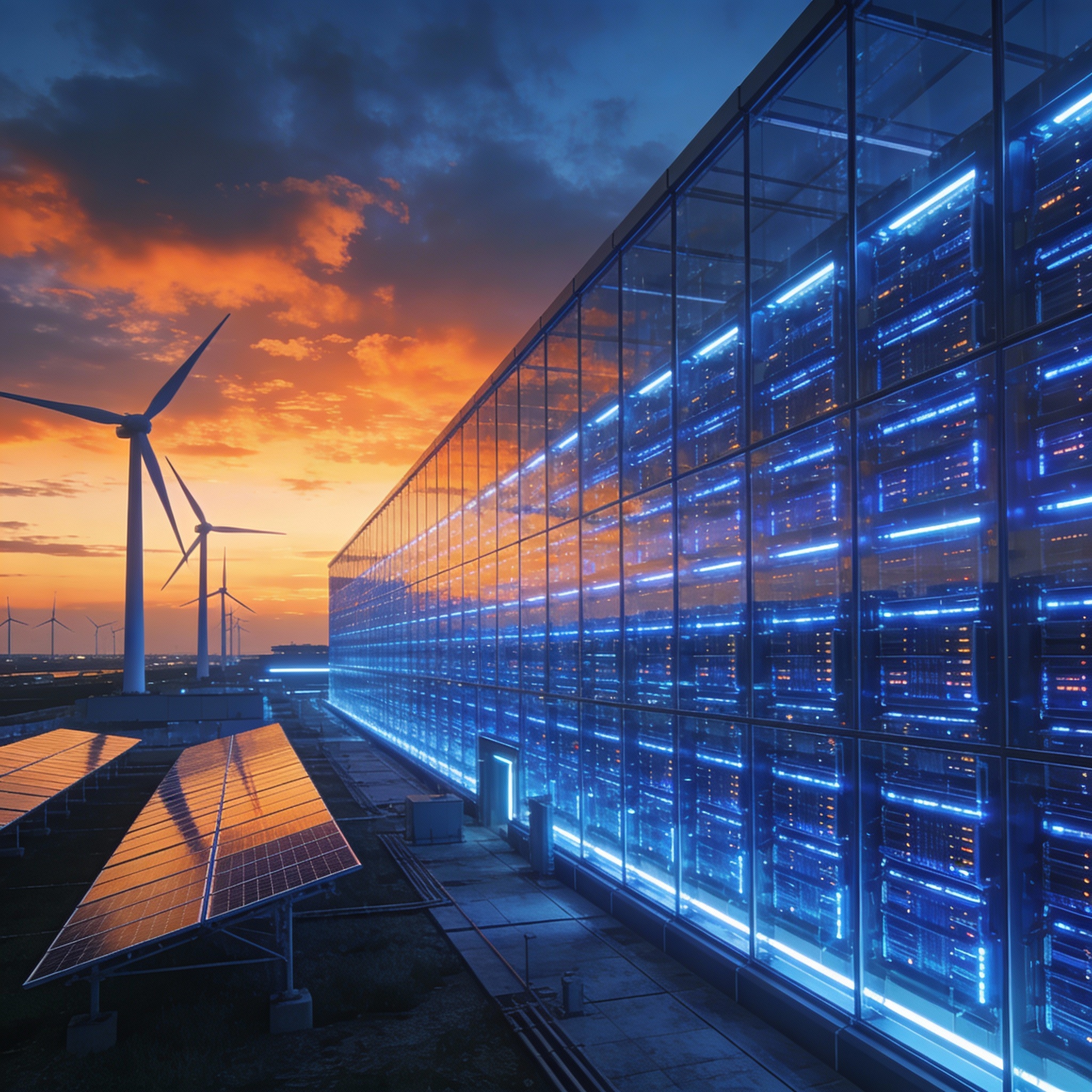
The AI revolution has entered its second act, and it’s not about algorithms—it’s about infrastructure. A new industry assessment projects that data centers will require roughly $3 trillion in investment through 2030, and the biggest tech companies are racing to secure compute, power, and real estate.
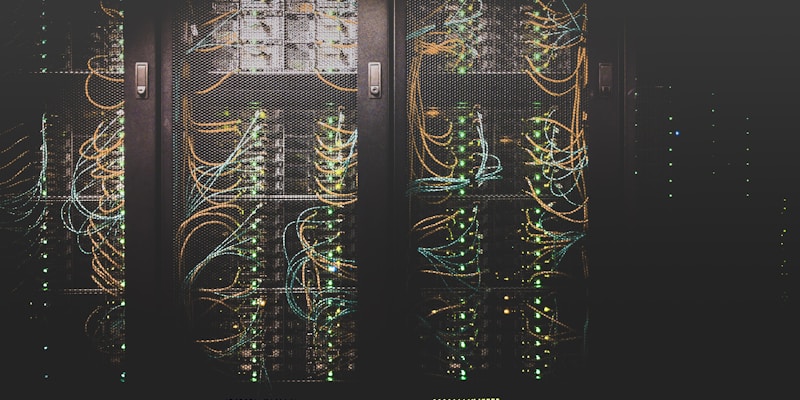
The Numbers Are Staggering
| Metric | 2024 | 2026 | 2030 (Projected) |
|---|---|---|---|
| Global data center power | 50 GW | 80 GW | 200+ GW |
| AI-specific compute spend | $100B | $250B | $600B |
| Total infrastructure investment | - | - | $3T cumulative |
| Power cost per AI query | $0.003 | $0.002 | $0.001 |
To put this in perspective: 200 GW is roughly the electricity consumption of Germany and France combined.
The Big Moves
Meta Compute
Mark Zuckerberg has created a new top-level initiative called Meta Compute, treating AI infrastructure as a core strategic asset rather than a cost center.
“We’re planning infrastructure spanning tens of gigawatts this decade.” — Mark Zuckerberg
What Meta is building:
- 10+ data centers under construction or planned
- Custom AI chips (MTIA Gen 3) in mass production
- Nuclear power partnerships for clean energy
- Direct fiber networks between facilities
OpenAI + Cerebras
OpenAI has signed a multi-year agreement for 750 megawatts of computing capacity from Cerebras Systems—a utility-scale figure that makes them one of the largest compute consumers in the world.
OpenAI Compute Growth
├── 2020: Hundreds of GPUs
├── 2022: Thousands of GPUs
├── 2024: Tens of thousands of GPUs
├── 2026: Equivalent to 750MW dedicated capacity
└── 2028: Projected 2+ GW
xAI’s Mississippi Bet
Elon Musk’s xAI announced a $20 billion data center project in Mississippi, one of the largest single-site AI facilities ever planned:
- 1 million+ GPU equivalent capacity
- Solar and battery power infrastructure
- Direct pipeline to Starlink for global access
- Custom cooling using Mississippi River water
TSMC Revenue Surge
TSMC reported quarterly revenue that exceeded expectations, signaling that the AI buildout is still accelerating:
- Advanced packaging capacity sold out through 2027
- CoWoS (AI chip packaging) expanding 2x year-over-year
- 3nm capacity entirely allocated to AI customers
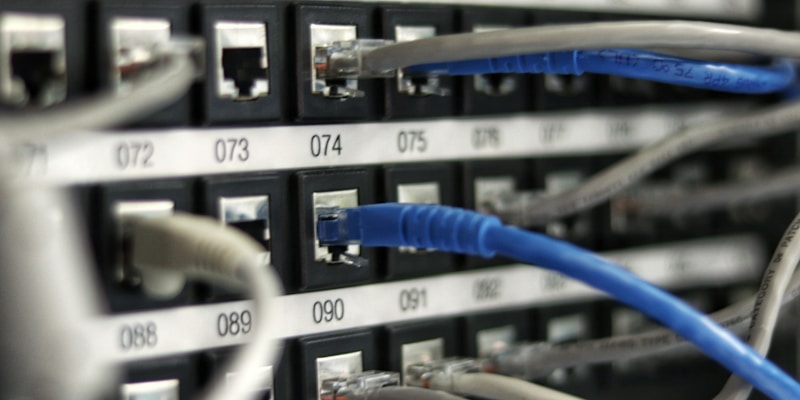
Why Infrastructure Is the New Moat
The Flywheel Effect
Infrastructure Flywheel
┌─────────────────────────────────────────┐
│                                         │
│   More Compute → Better Models          │
│        ↑                ↓               │
│   More Revenue ← More Users             │
│        ↑                ↓               │
│   More Investment ← More Products       │
│                                         │
└─────────────────────────────────────────┘
Companies with more compute train better models, attract more users, generate more revenue, and invest more in infrastructure. This creates a winner-take-most dynamic.
Power Is the Constraint
Unlike chips (which can be manufactured), power infrastructure takes years to build:
| Infrastructure | Time to Deploy |
|---|---|
| GPU cluster | 3-6 months |
| Data center building | 12-18 months |
| Substation | 18-24 months |
| Power plant | 36-60 months |
| Transmission lines | 48-72 months |
Companies securing power agreements now will have advantages for the next decade.
Geographic Arbitrage
Different regions offer different advantages:
| Region | Advantage | Challenge |
|---|---|---|
| US Midwest | Cheap land, cheap power | Latency to coasts |
| Nordics | Cheap renewable power | Limited fiber |
| Middle East | Cheap solar power | Cooling costs |
| Singapore | Financial hub, low latency | Expensive land, limited power |
The Technology Stack
Cooling Innovation
AI data centers generate unprecedented heat densities:
Heat Density Evolution
├── Traditional server: 5-10 kW/rack
├── GPU server (2024): 40-80 kW/rack
├── GPU server (2026): 100-150 kW/rack
└── Liquid cooling required above 30 kW/rack

Cooling Technologies:
├── Air cooling: Up to 30 kW/rack
├── Rear-door heat exchangers: Up to 60 kW/rack
├── Direct-to-chip liquid: Up to 150 kW/rack
└── Immersion cooling: 200+ kW/rack
Power Architecture
Modern AI data centers use tiered power architectures:
Power Distribution
┌──────────────────────────────────────────┐
│               Grid / Renewable            │
└──────────────────┬───────────────────────┘
                   ↓
┌──────────────────────────────────────────┐
│      High Voltage Substation (132kV+)     │
└──────────────────┬───────────────────────┘
                   ↓
┌──────────────────────────────────────────┐
│       Medium Voltage (12-33kV)           │
│     + Battery Storage + UPS              │
└──────────────────┬───────────────────────┘
                   ↓
┌──────────────────────────────────────────┐
│        Low Voltage to Racks (480V)        │
│          + Power Shelves                  │
└──────────────────────────────────────────┘
Networking Requirements
AI training requires specialized networking:
| Workload | Network Requirement |
|---|---|
| Inference | Standard datacenter |
| Single-node training | NVLink within node |
| Multi-node training | 400Gbps+ InfiniBand |
| Large-scale training | 800Gbps InfiniBand + RDMA |
| Frontier models | Custom fabrics (1.6Tbps+) |
For Developers: Practical Implications
Cloud Pricing Trends
Despite capacity additions, GPU cloud pricing remains elevated:
// 2024 vs 2026 GPU cloud pricing (per GPU-hour)
const pricing = {
  nvidia_a100: { '2024': 2.50, '2026': 1.80 },  // -28%
  nvidia_h100: { '2024': 4.00, '2026': 2.50 },  // -38%
  nvidia_h200: { '2024': null, '2026': 3.50 },
  nvidia_b200: { '2024': null, '2026': 5.00 },
};

// But demand is growing faster than capacity
const waitTimes = {
  'spot_h100': '0-2 hours',
  'on_demand_h100': '0-30 minutes',
  'reserved_h100': 'immediate',
  'h200_any': '2-4 weeks waitlist'
};
Choosing Your Compute Strategy
def compute_strategy(project):
    budget = project.monthly_budget
    urgency = project.timeline
    scale = project.compute_needs

    if scale < 10_000_gpu_hours and budget < 50000:
        return "cloud_spot_instances"

    elif scale < 100_000_gpu_hours:
        return "cloud_reserved_capacity"

    elif scale < 1_000_000_gpu_hours:
        return "cloud_committed_use_discount"

    elif urgency == "low":
        return "build_own_cluster"  # 2-year payback

    else:
        return "hybrid_cloud_plus_colo"
Optimizing for Cost
Infrastructure constraints mean optimization matters more than ever:
# Before: Naive training
model.fit(data, epochs=100)  # $10,000 cloud cost

# After: Optimized training
with mixed_precision_training():
    with gradient_checkpointing():
        model.fit(
            data,
            epochs=100,
            callbacks=[
                EarlyStoppingCallback(patience=5),
                LRScheduler(warmup_steps=1000),
                CheckpointCallback(save_every=1000)
            ]
        )
# $3,000 cloud cost, same results
The Power Problem
AI’s energy consumption is becoming a societal issue:
Current State
- ChatGPT query: ~0.001-0.01 kWh
- Google search: ~0.0003 kWh
- Training GPT-4: ~50,000,000 kWh (estimated)
- Running GPT-4 for one year: ~100,000,000 kWh
Industry Response
- Renewable commitments - Google, Microsoft, Meta all carbon-neutral targets
- Nuclear partnerships - Multiple companies signing SMR agreements
- Efficiency research - Model distillation, quantization, sparse training
- Regional optimization - Locating in areas with clean, cheap power
Developer Responsibility
# Carbon-aware computing
from codecarbon import EmissionsTracker

tracker = EmissionsTracker()
tracker.start()

# Your training code here
model.train(data)

emissions = tracker.stop()
print(f"Training emitted {emissions} kg CO2")

# Consider:
# - Training during low-carbon grid hours
# - Using regions with cleaner grids
# - Model efficiency optimizations
Investment Landscape
Public Markets
AI infrastructure plays in public markets:
| Company | Infrastructure Angle | Stock Performance (2025) |
|---|---|---|
| NVIDIA | GPU monopoly | +180% |
| TSMC | Chip manufacturing | +95% |
| Vertiv | Cooling systems | +120% |
| Eaton | Power distribution | +85% |
| Equinix | Data center REITs | +45% |
Private Markets
Massive private investment flowing in:
- CoreWeave - $7B+ raised for GPU cloud
- Lambda Labs - GPU cloud for AI
- Crusoe Energy - Stranded gas to AI compute
- Applied Digital - HPC data centers
What’s Next: 2026-2030
2026:
- Nuclear power agreements become standard
- First 1GW single-site AI data centers
- GPU supply constraints begin easing
2027:
- Sovereign AI infrastructure (national compute initiatives)
- Space-based data centers announced
- Grid upgrade programs accelerate
2028:
- AI-specific power plants come online
- Modular data center standards mature
- Carbon pricing impacts location decisions
2030:
- $3T cumulative investment milestone
- AI consumes ~5% of global electricity
- Infrastructure becomes strategic national asset
Key Takeaways
- Infrastructure is the moat - Companies investing now will dominate the next decade
- Power is the constraint - GPU supply matters less than power supply
- Efficiency matters - Both for cost and sustainability
- Geographic diversification - Don’t put all compute in one region
- Long-term planning - Infrastructure takes years to build
Resources
Planning AI infrastructure or optimizing cloud compute costs? Contact CODERCOPS for expert consulting on compute strategy and efficiency optimization.
More from this category
More from AI Integration
 R.01
R.01 Google Workspace Gets a Major AI Boost: Gemini Now Powers Docs, Sheets, Slides & Drive
 R.02
R.02 Agentic AI in 2026: Inside Google's Agent Leap Report and the Rise of Autonomous AI
 R.03
R.03 Best AI Coding Models Compared: The Definitive February 2026 Guide
The dispatch
Working notes from
the studio.
A short letter twice a month — what we shipped, what broke, and the AI tools earning their keep.
Discussion
Join the conversation.
Comments are powered by GitHub Discussions. Sign in with your GitHub account to leave a comment.